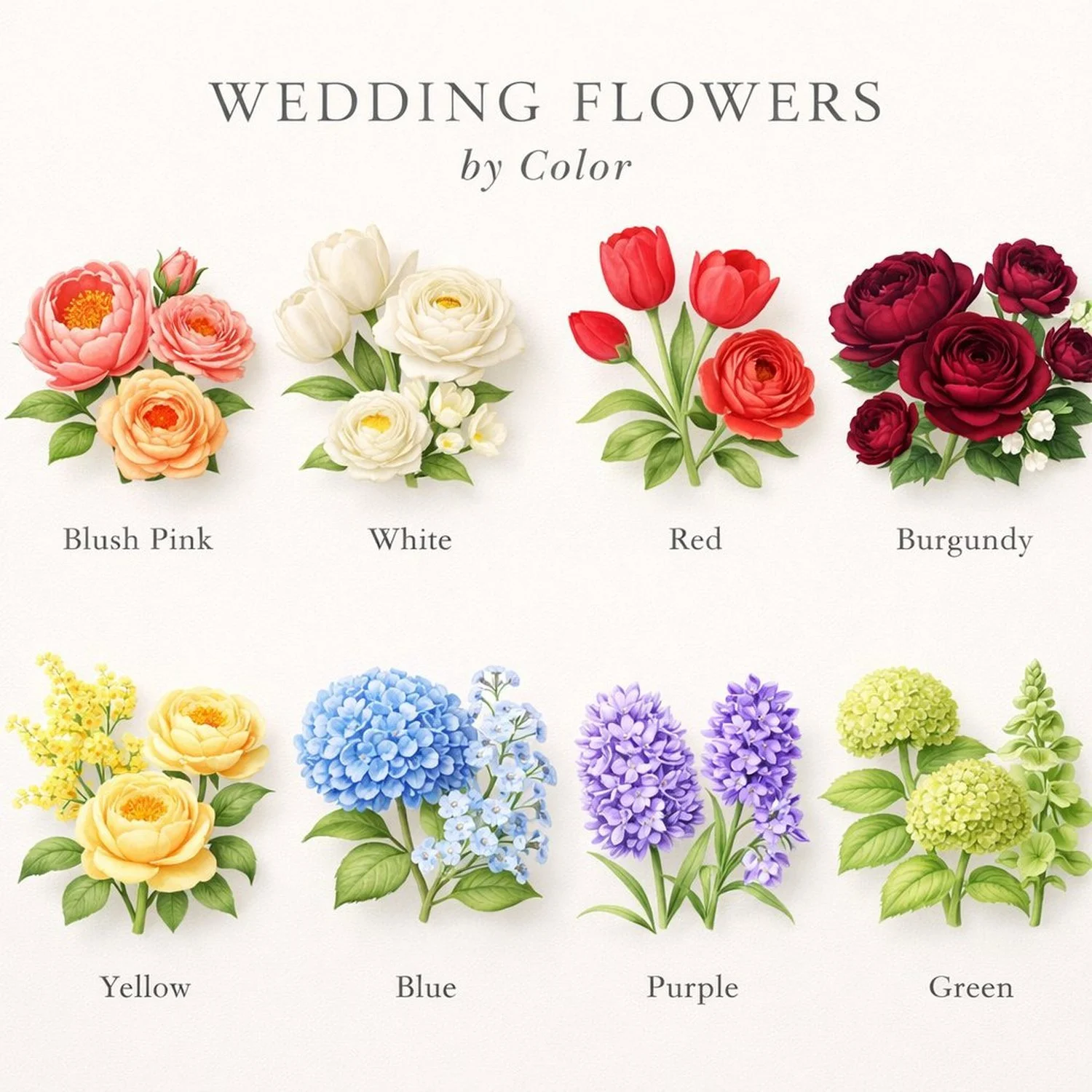
Roses, ranunculus, peonies, hydrangeas and dahlias are all worth considering for wedding flowers. The best choice for you depends on the shape you want, the colors you love and what your florist can source for your date.
If you have saved a bouquet you love but cannot name the flowers, this guide will help. Browse 27 flower examples in nine color groups, then use the names and pictures to start a conversation with your florist.
Which Wedding Flowers Should You Choose?
- For a soft bridal bouquet: start with roses, peonies or ranunculus. Lisianthus can add a smaller, ruffled flower between fuller blooms.
- For full centerpieces: discuss hydrangeas, roses or dahlias. Mix flower sizes so the arrangement has some variation.
- For a simpler bouquet: consider calla lilies or tulips and let the individual stems show.
- For a loose garden look: try scabiosa or cosmos among fuller flowers.
- For height: delphinium, allium or Bells of Ireland can add taller lines to larger arrangements.
Use these as design starting points. Your florist can advise on availability, stem counts and how the flowers will suit your venue.
Start with the colors you love
Try different shades in the free Wedding Color Palette Creator, then save a palette to share with your florist.
Create My Wedding PaletteBrowse Wedding Flowers by Color
Season tags are a broad guide for temperate Northern Hemisphere growing seasons, or indicate commercial sourcing where noted. Local flowering dates and florist supply can differ. Photos are visual references; flower colors and forms vary by variety and stage of opening.
Blush & Pink Wedding Flowers
Pink flowers can lean warm and peachy or cool and mauve. Choose the direction first, then mix different flower shapes within it.
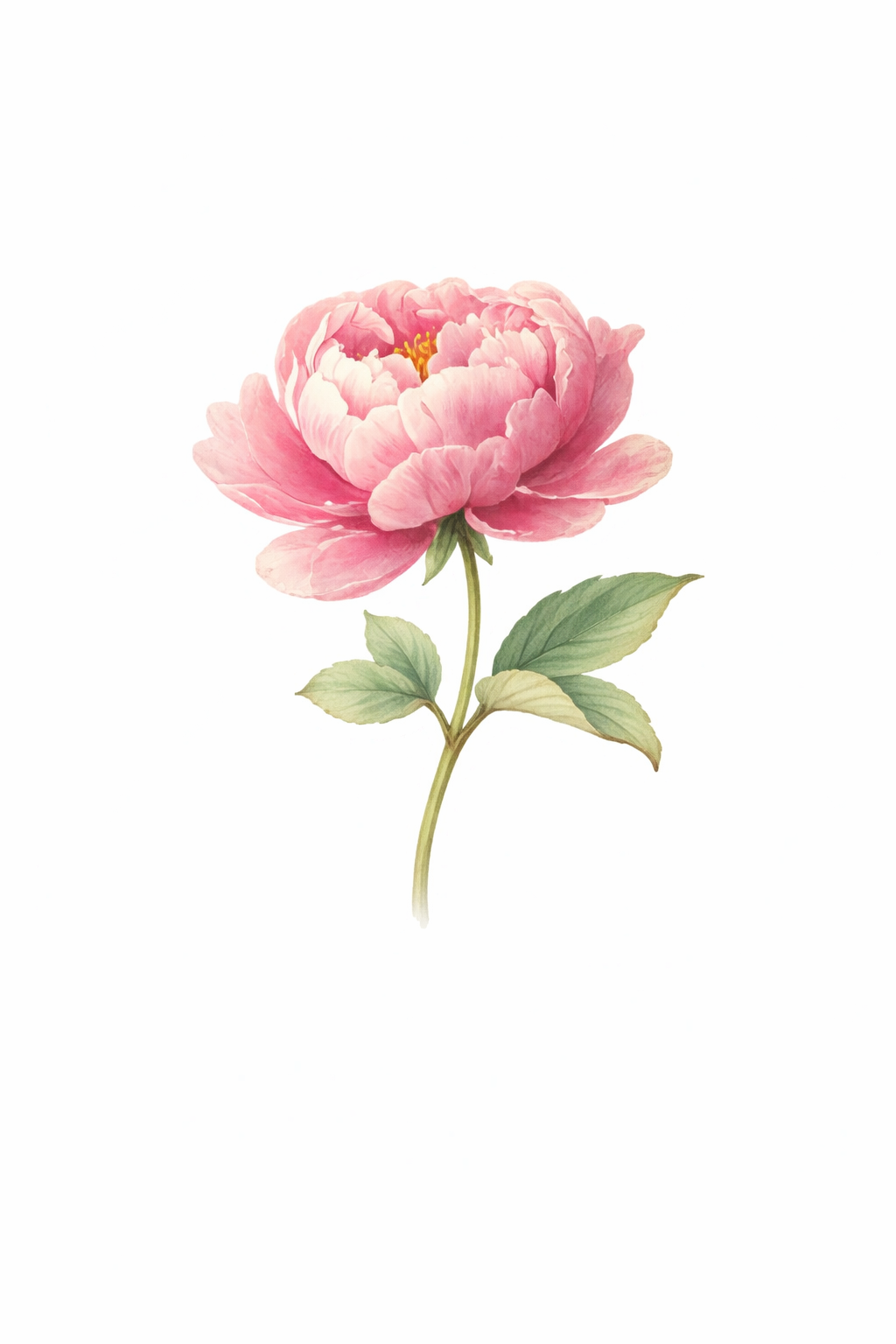
Peony
Paeonia lactiflora
Large, rounded flowers with layered petals. Use pink peonies as focal flowers in a bouquet or a low centerpiece, with smaller blooms around them. Their natural flowering season is late spring into early summer in many temperate Northern Hemisphere gardens; ask about supply for your date.
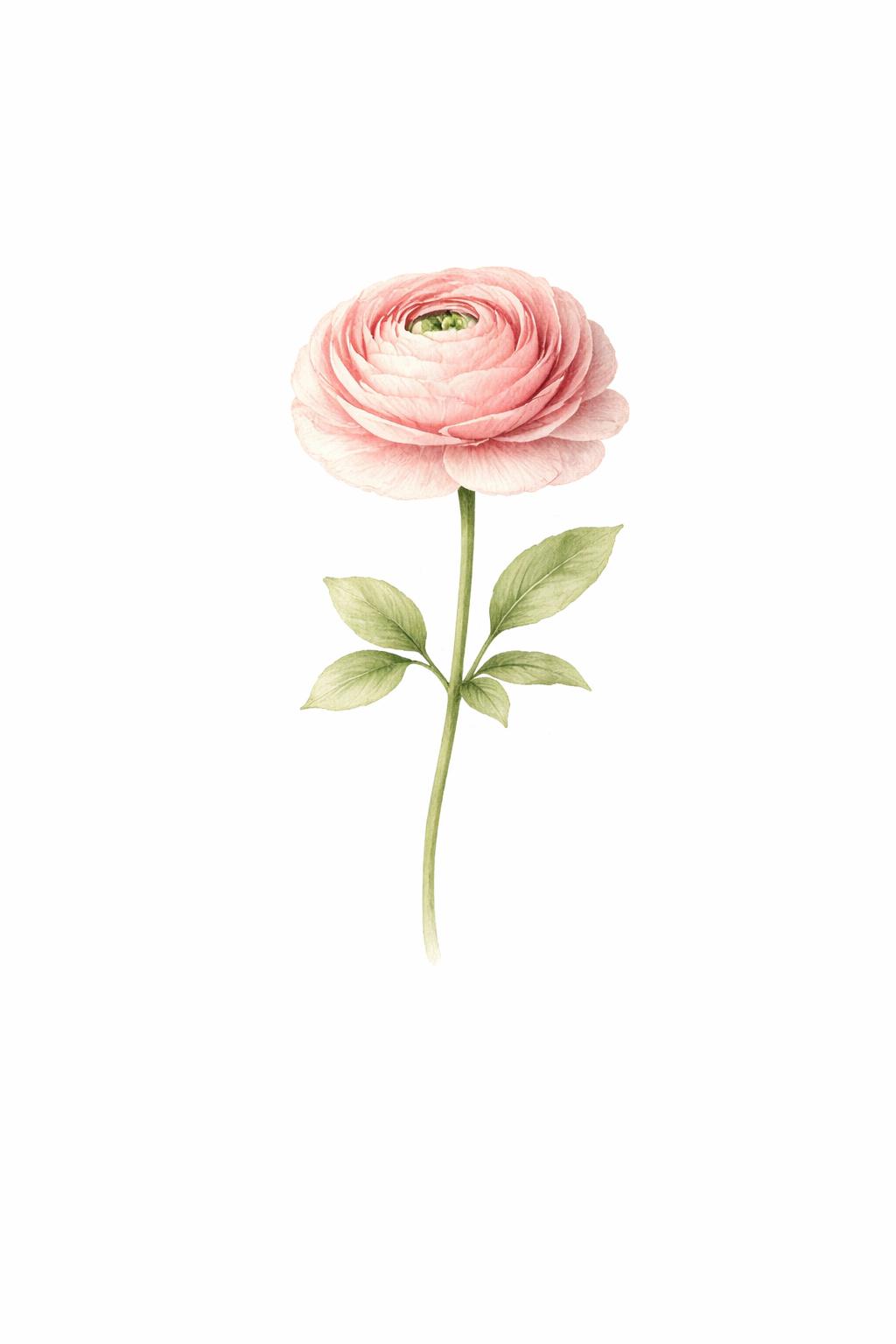
Ranunculus
Ranunculus asiaticus
Ranunculus has tightly layered petals and a smaller, rounded head. Blush or pink stems fit between larger roses in a bouquet, while a few stems in small vases can carry the color along a table.
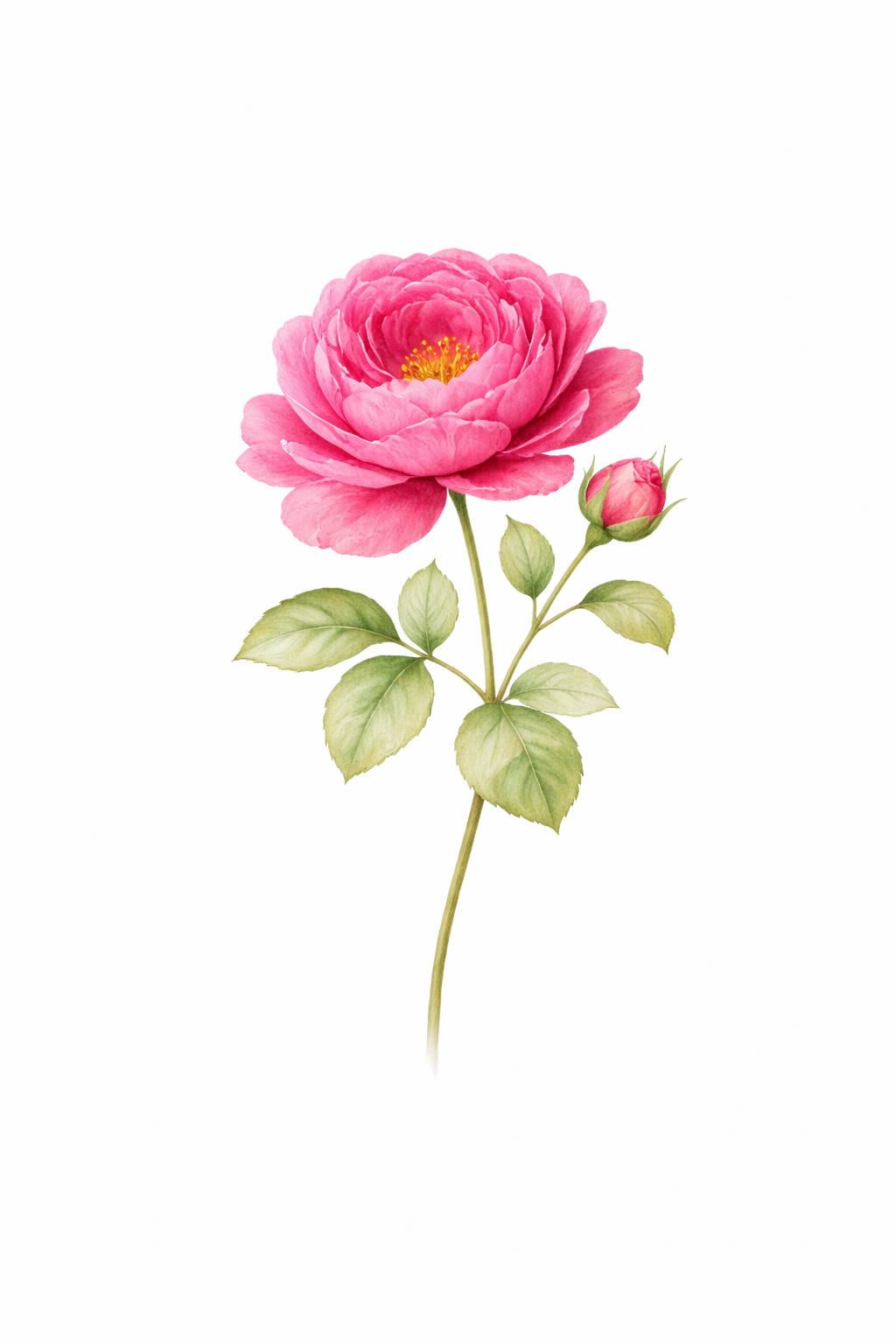
Garden Rose
Rosa x hybrida
Pink garden roses give bouquets a full, ruffled shape. Let your florist suggest a variety in the shade you want: some lean toward warm peach, while others are closer to cool pink. Specific varieties and supply vary.
For ways to carry blush flowers through the rest of the setting, explore our garden wedding color palettes.
White & Ivory Wedding Flowers
White and ivory flowers can sit together beautifully. Look at them alongside your linens and any colored lighting before deciding how warm or cool you want the mix.
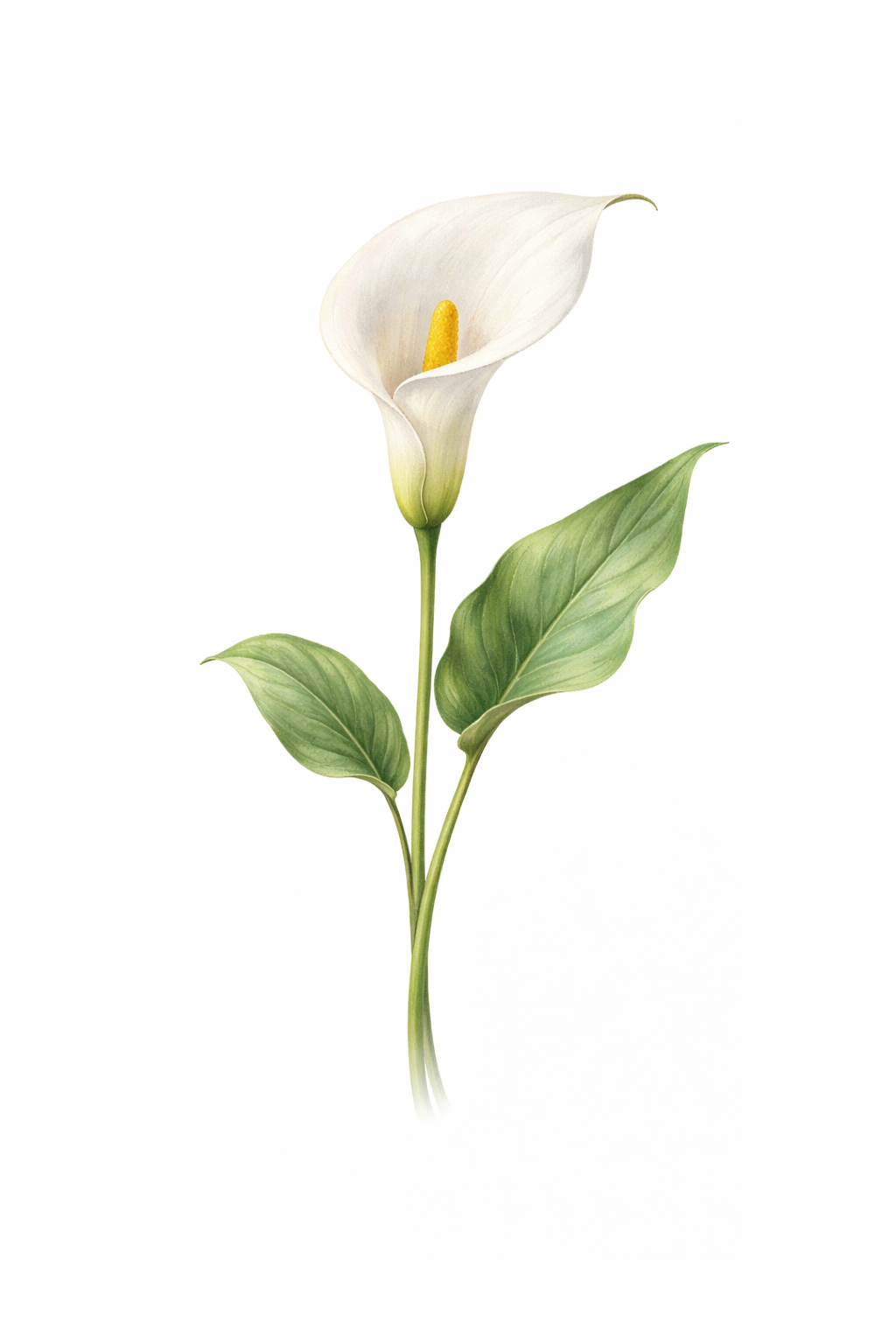
Calla Lily
Zantedeschia aethiopica
A calla lily has a smooth, curved shape that suits a simple bouquet. A few stems can make a clear statement without much extra foliage. Ask your florist to show you the size of the variety they plan to use.
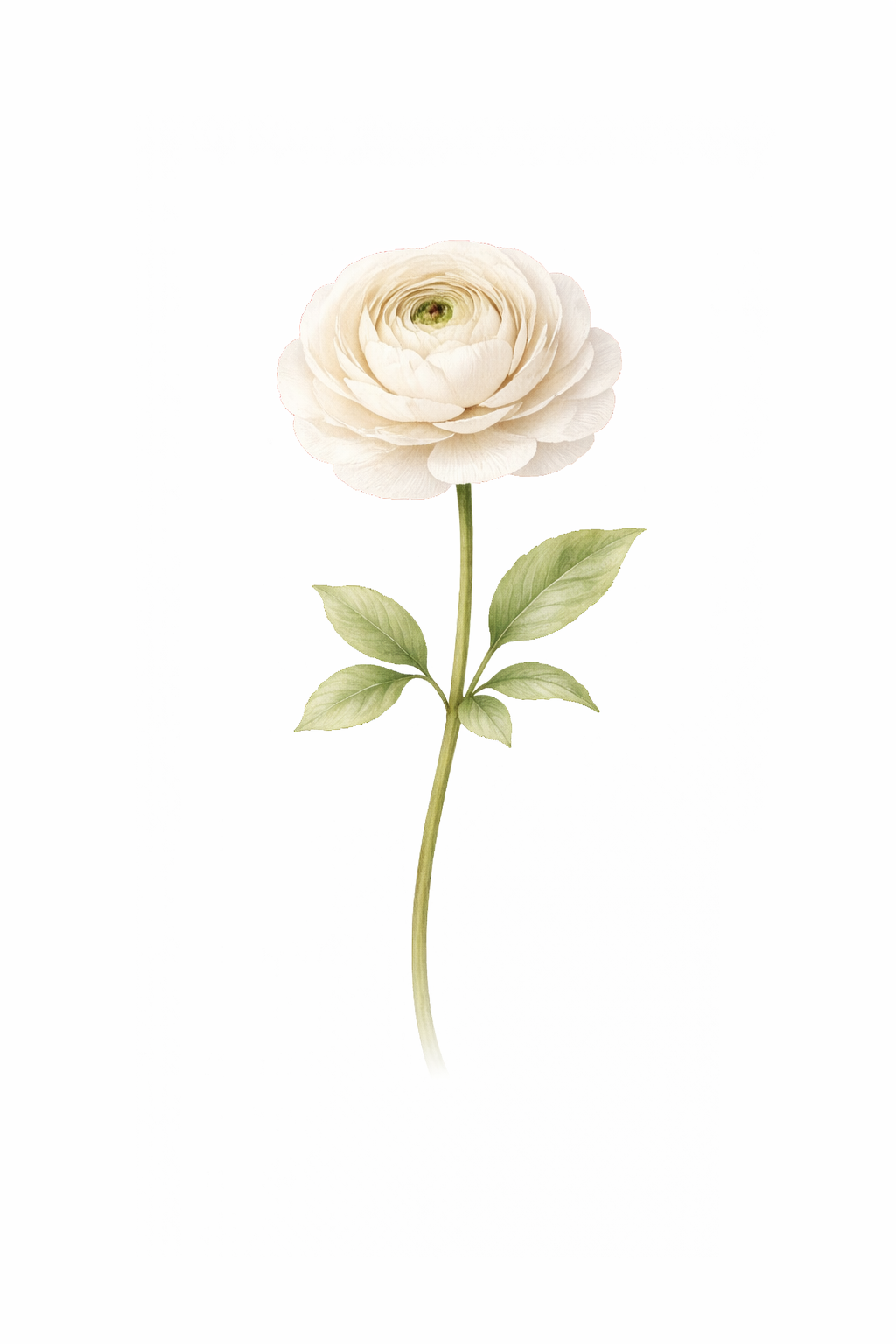
White Ranunculus
Ranunculus asiaticus
White ranunculus brings detail to an ivory or white arrangement. Use it among larger flowers, or let the individual stems show in small bud vases. Compare the actual shade with your linens if you are mixing several whites.
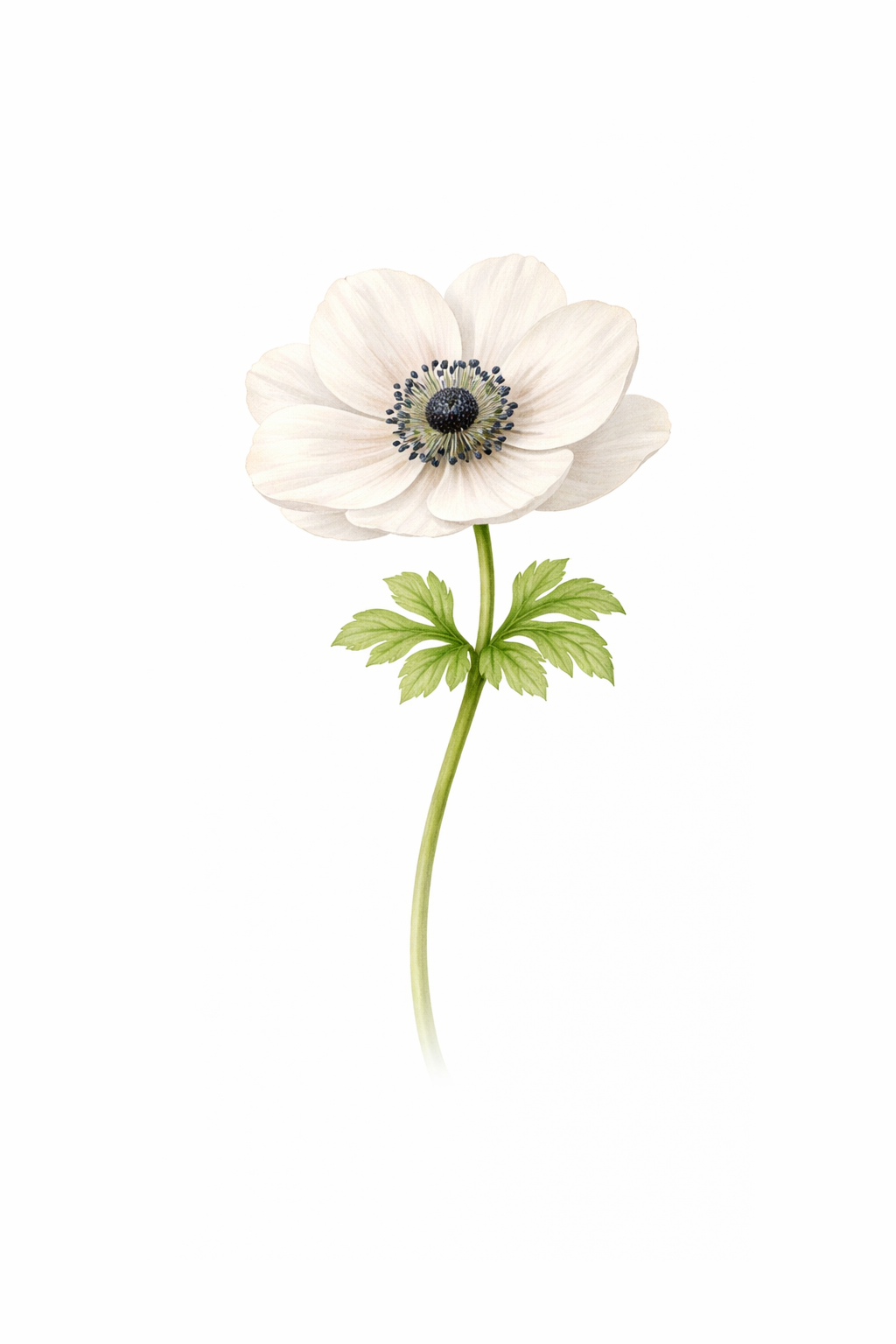
White Anemone
Anemone coronaria
The dark center of a white anemone adds contrast to pale flowers. A few stems can pick up black details in stationery or table settings. Leave some space around them so the centers remain visible.
Burgundy & Deep Red Wedding Flowers
Deep burgundy flowers give a pale palette a stronger accent. A little cream or blush between the darker blooms helps their shapes stand out.
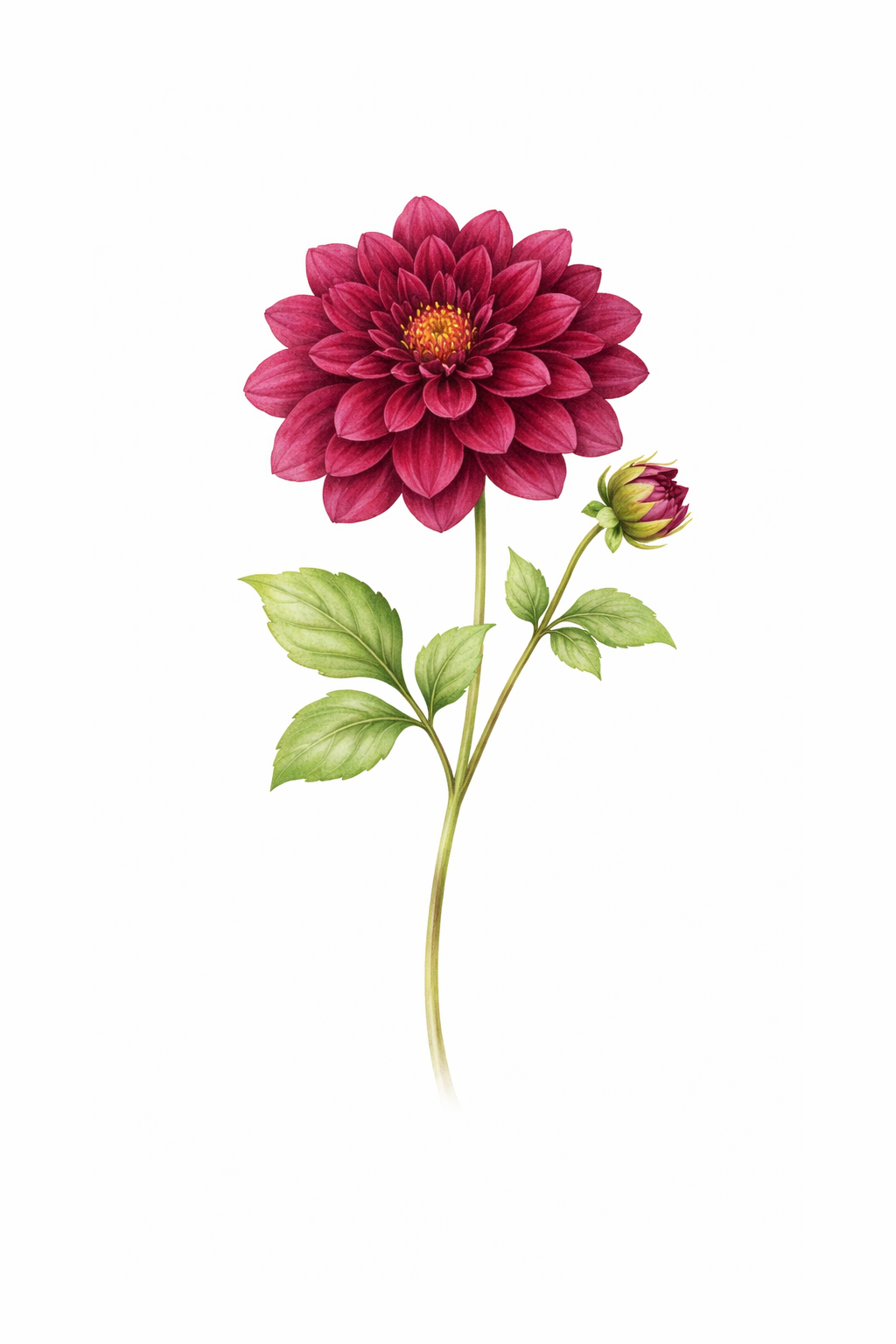
Burgundy Dahlia
Dahlia pinnata
Burgundy dahlias add a deeper color and a defined petal pattern. Use them with blush and cream flowers if you want the arrangements to stay lighter. Dahlias flower through summer into autumn in many temperate gardens; confirm local timing.
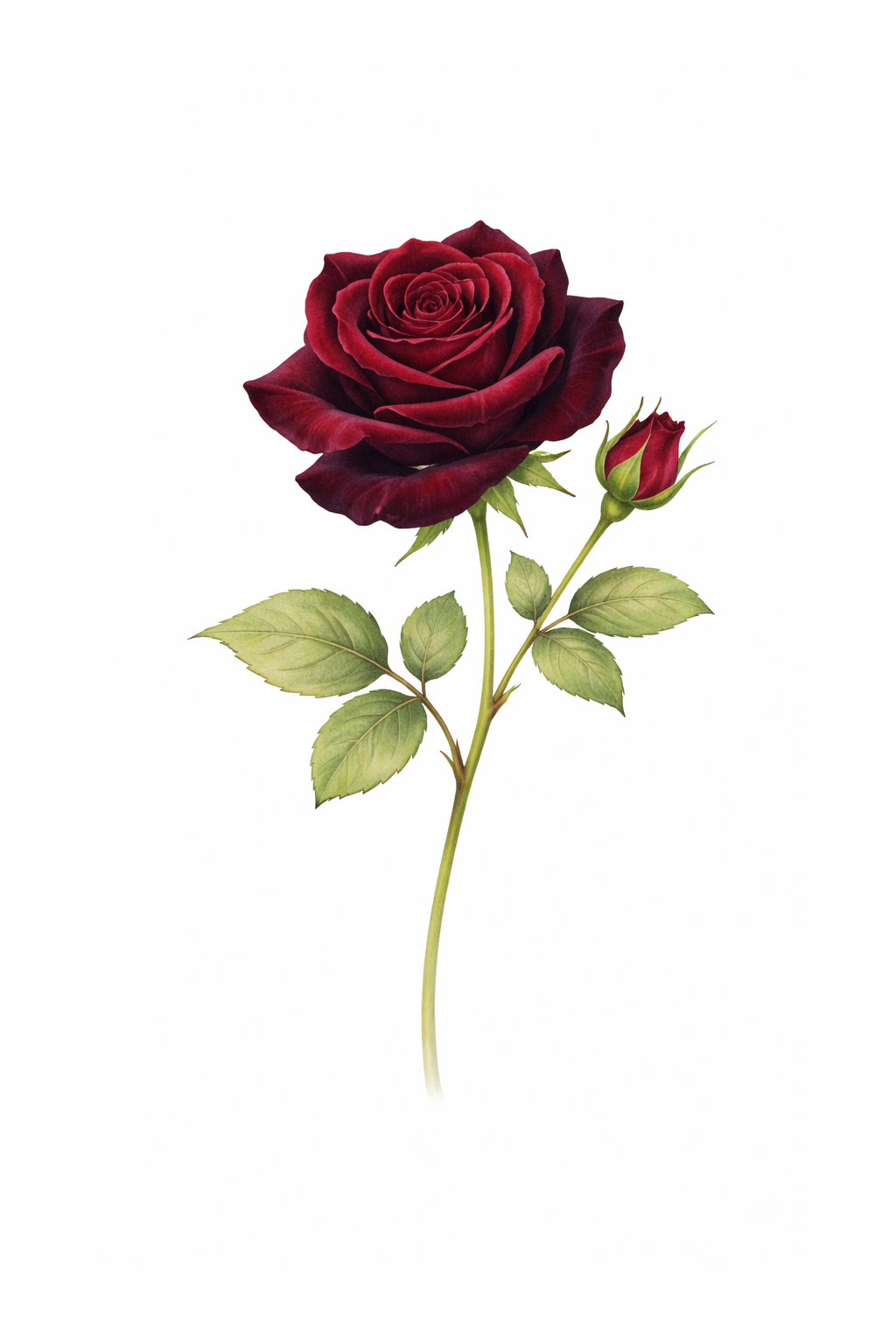
Black Baccara Rose
Rosa 'Black Baccara'
Black Baccara roses have deep red petals that can appear very dark in low light. Mix them with lighter flowers if you want the individual rose shapes to remain visible in an evening arrangement.
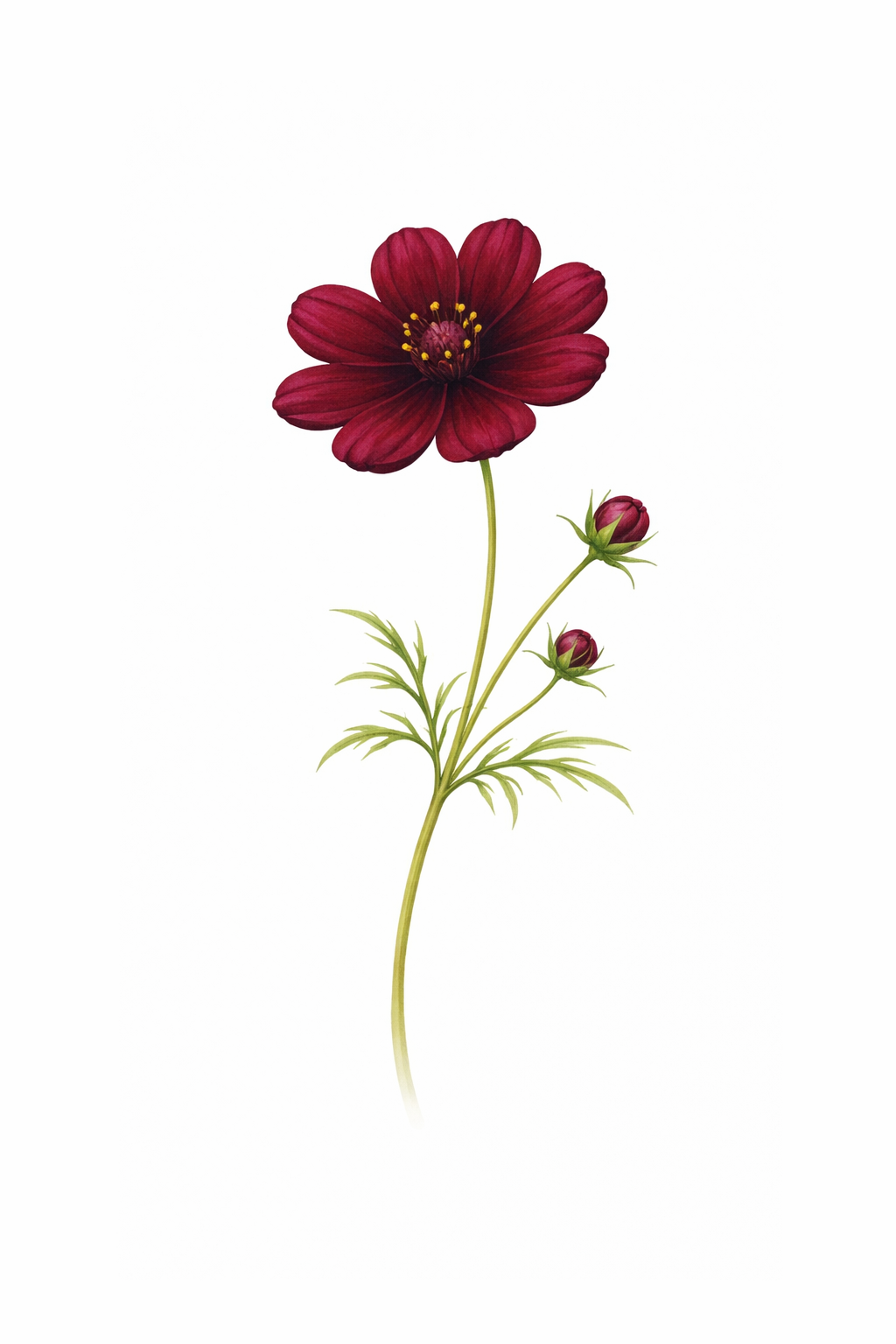
Chocolate Cosmos
Cosmos atrosanguineus
Chocolate cosmos has small, dark maroon flowers on slender stems. Let a few stems sit above or beside the fuller flowers in a bouquet. They add a looser outline without needing a large amount of foliage.
See your flower colors as a mood board
Choose your style, setting and colors to explore a wedding look with flowers and decor together. Use the result to explain the direction you like to your florist.
Create My Free Mood BoardTwo free boards delivered by email. No account or credit card needed. Generated images are inspiration, rather than a guarantee of exact flower varieties.
True Red Wedding Flowers
Red can lead the whole design or appear in a few flowers. Decide how much contrast you want against your linens and other decor.
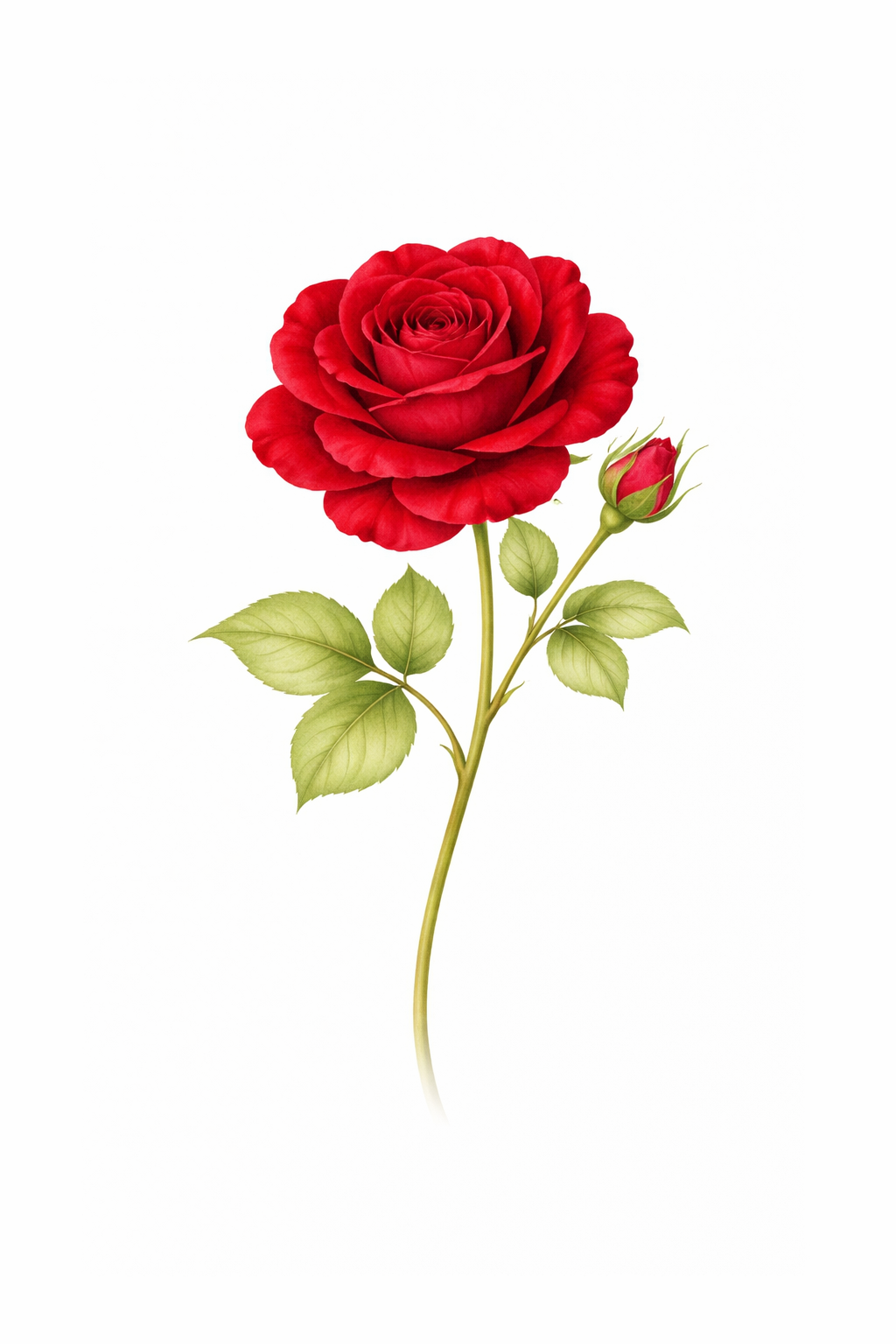
Red Garden Rose
Rosa x hybrida
Red garden roses give you a fuller floral shape in a stronger color. Try them with ivory for contrast, or with related berry shades for a deeper palette. A few red roses can be enough to anchor an otherwise pale arrangement.
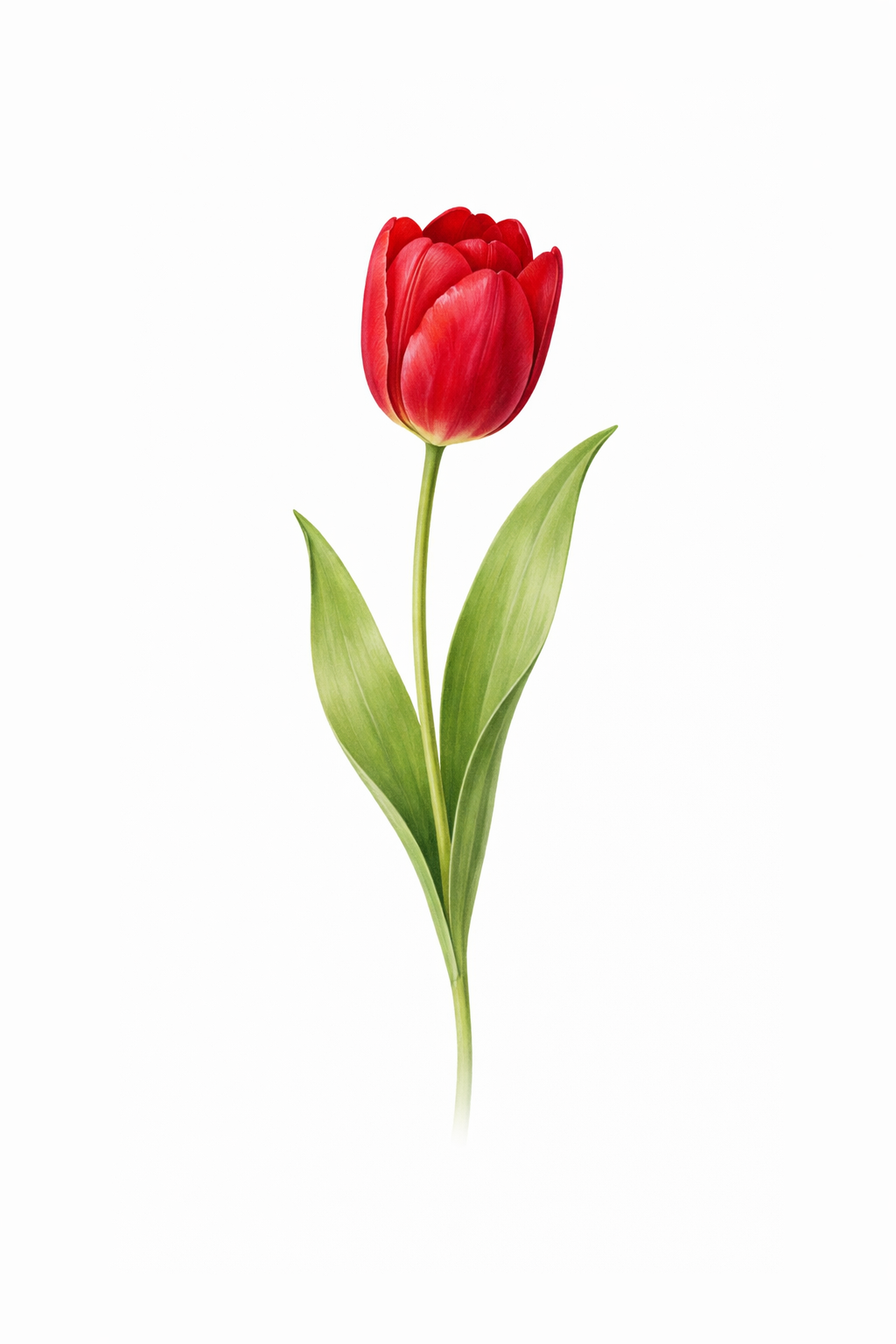
Red Tulip
Tulipa spp.
Red tulips suit a simple bouquet or a row of small table arrangements. Their curved stems give the design movement. Ask your florist how they will prepare and arrange them for the shape you want.
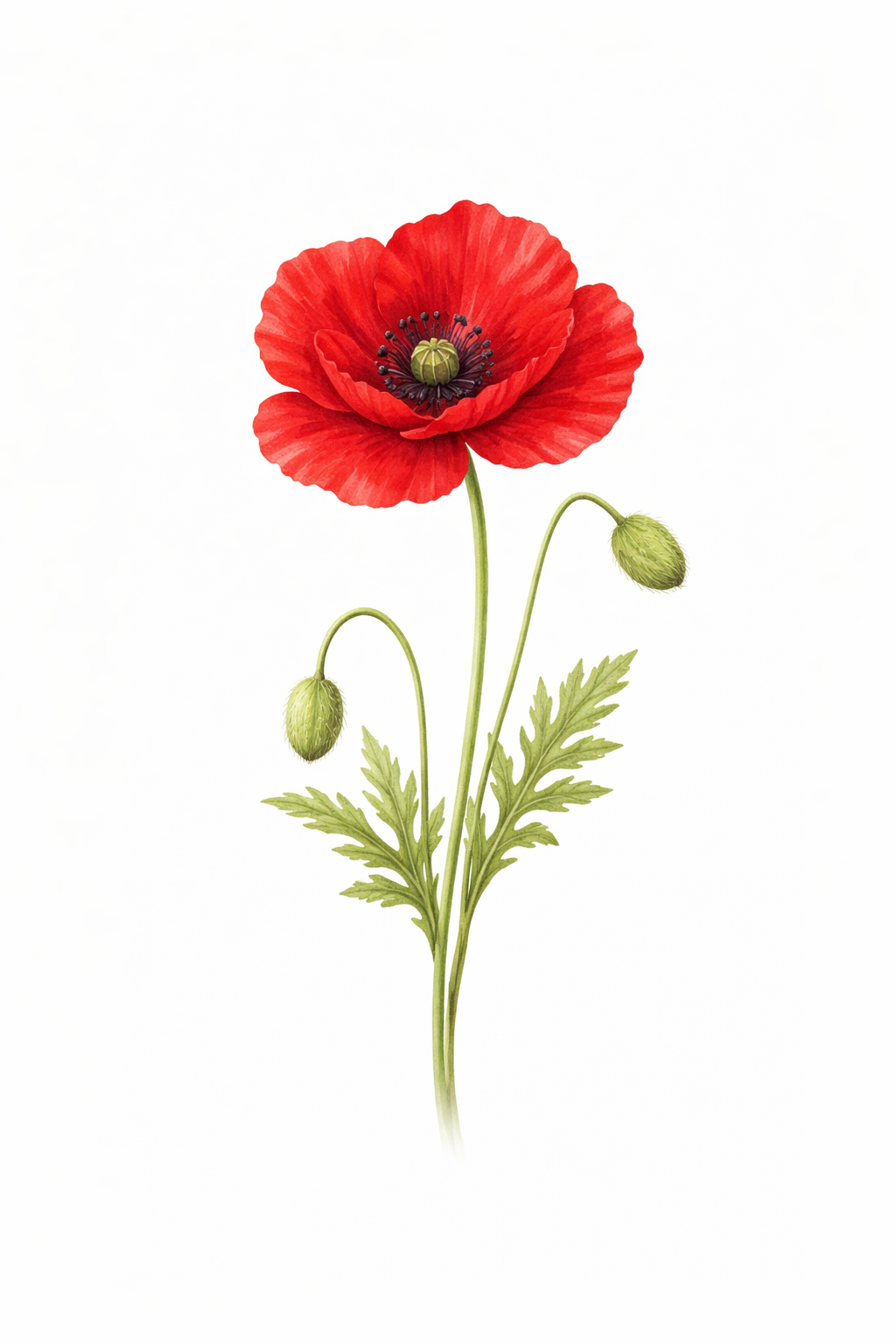
Red Poppy
Papaver rhoeas
Red poppies have thin, open petals and a loose garden feel. Treat them as a flower to discuss early with your florist: the exact variety and its suitability for your arrangement matter more than matching an inspiration picture.
Purple & Lavender Wedding Flowers
Mix pale lavender with deeper purple if you want variation. Ivory flowers or green foliage give those shades some space.
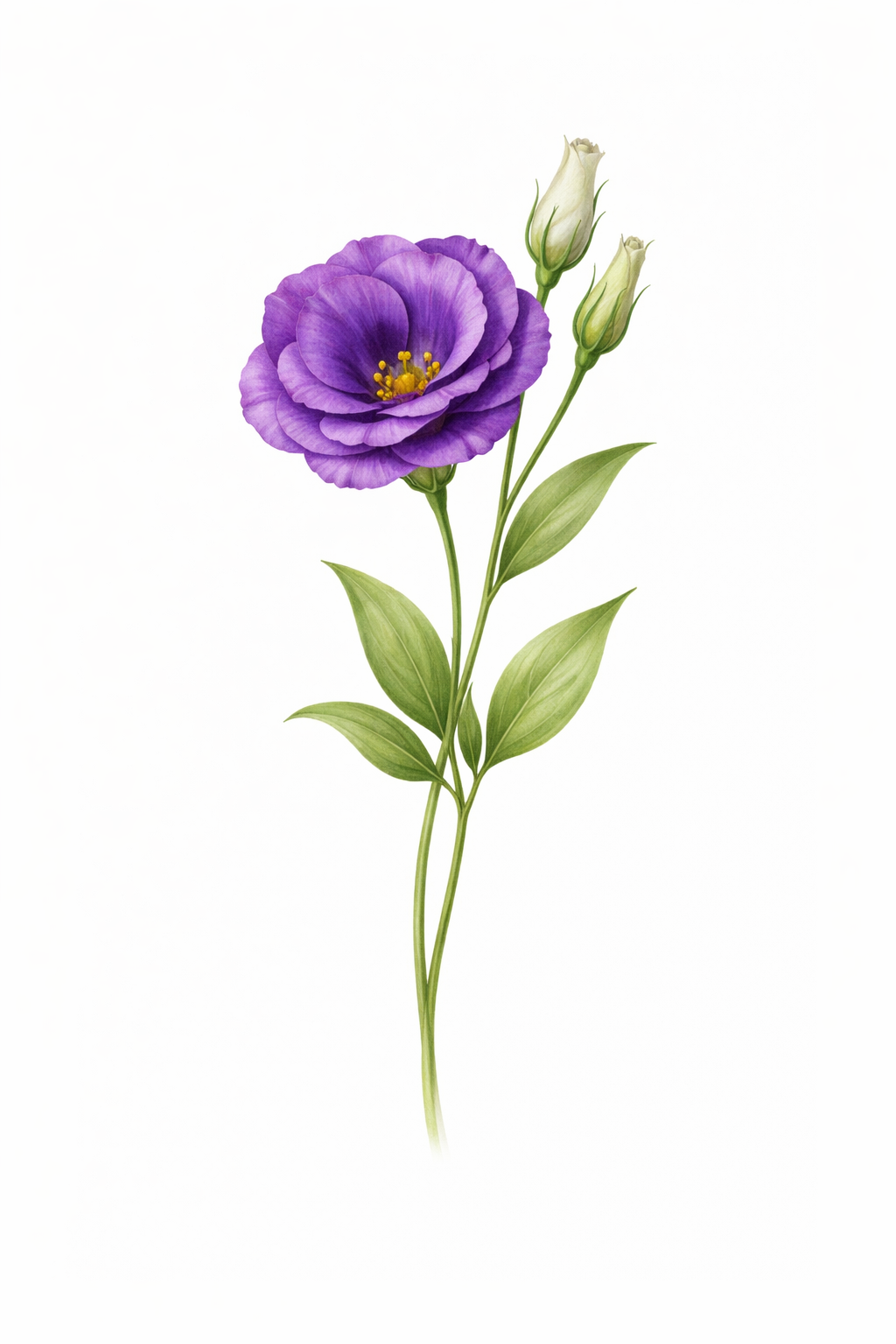
Lisianthus
Eustoma grandiflorum
Lisianthus offers ruffled flowers in lavender and deeper purple shades. It works among larger blooms or in smaller arrangements where you can see the branching stems. Ask which varieties suit your date and budget.
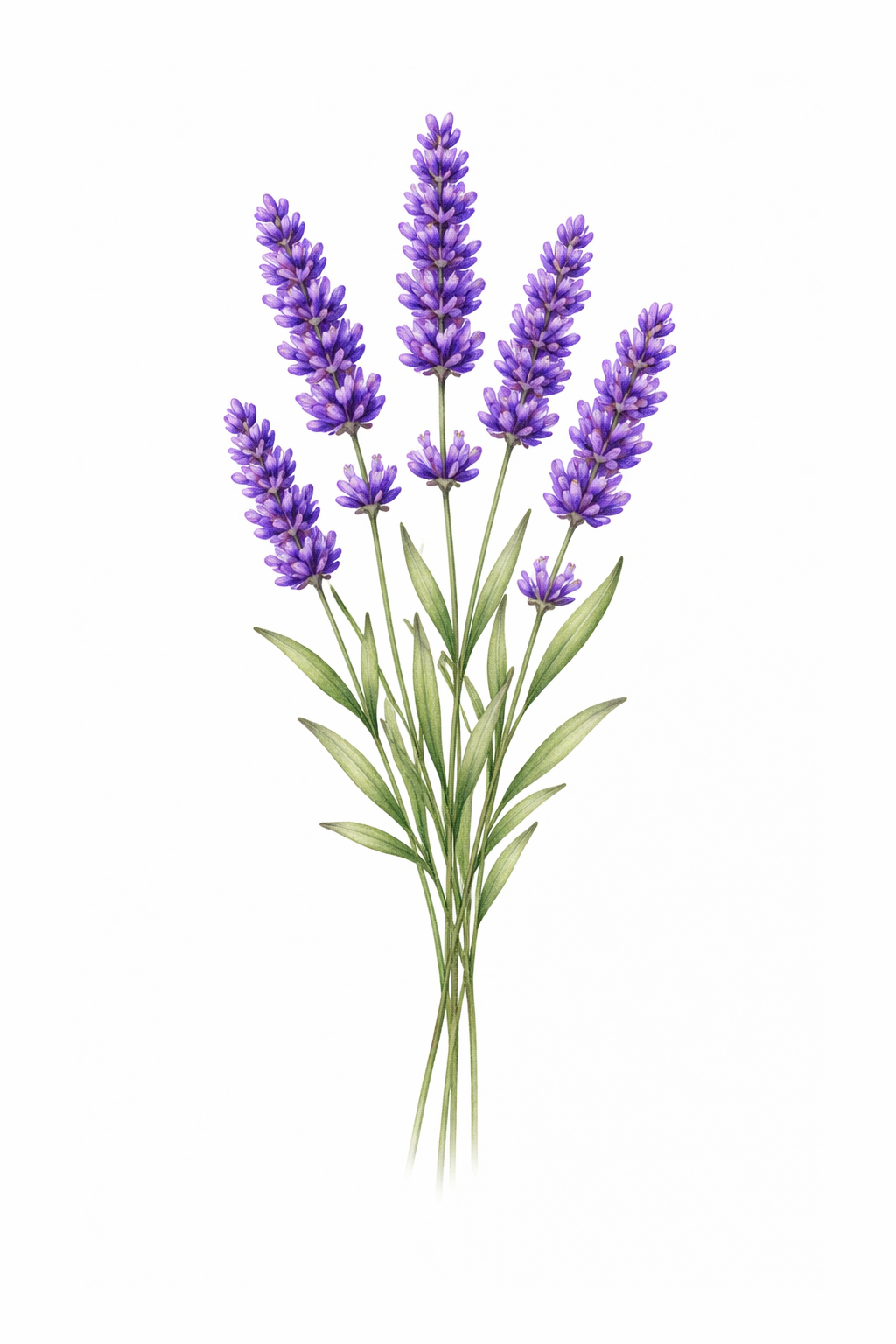
Lavender
Lavandula angustifolia
Lavender adds narrow purple flower spikes and a noticeable scent. Use a few stems as an accent if you want a small amount of purple. Fresh and dried lavender create different effects, so decide which look you prefer.
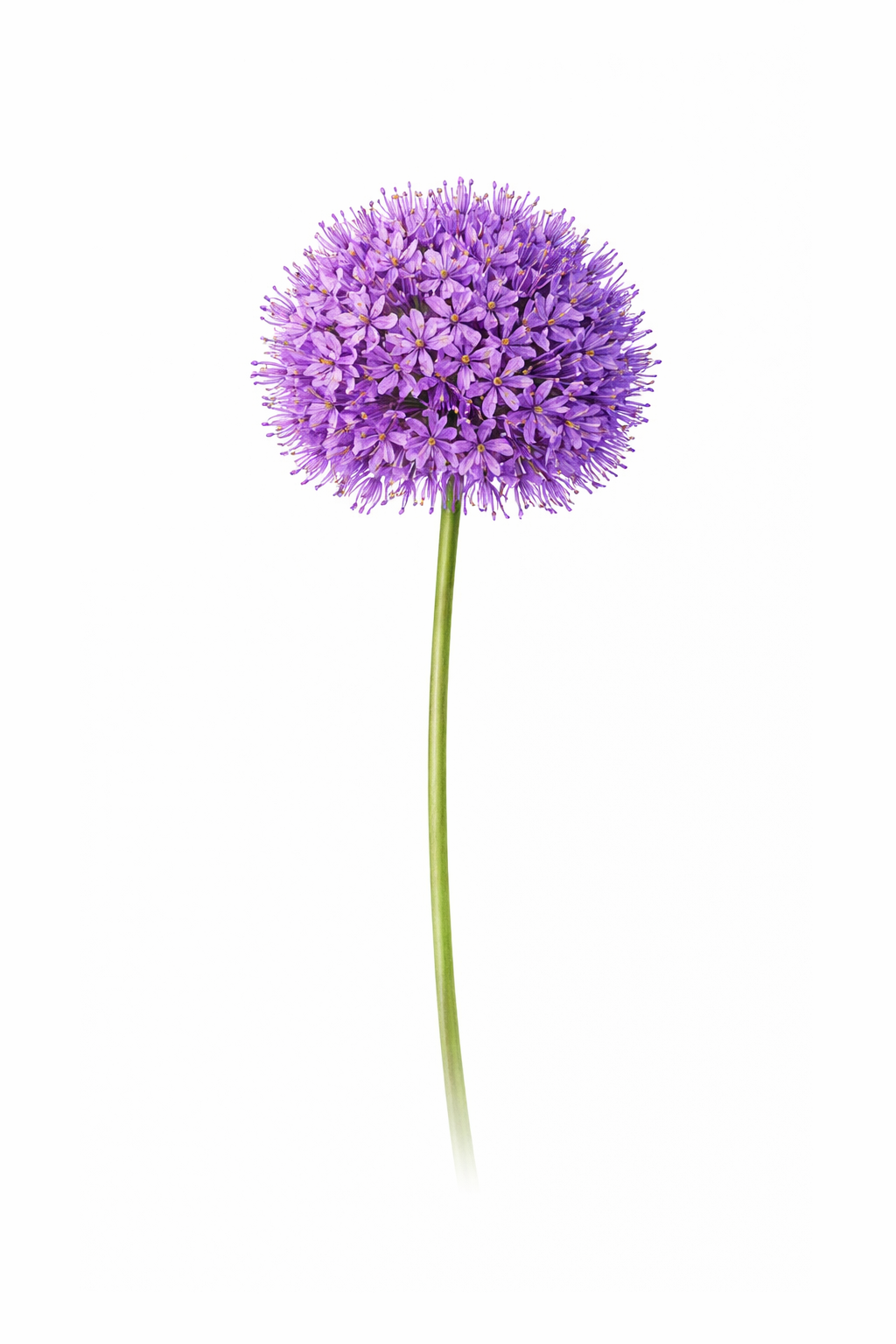
Allium
Allium giganteum
Allium has a rounded head made up of many small flowers. A few longer stems give a centerpiece height and a different shape from roses or peonies. Leave room around the flower heads so their outline shows.
Blue & Dusty Blue Wedding Flowers
Blue flowers can range from pale sky blue to purple-blue. Use reference images to show your florist which direction you mean.
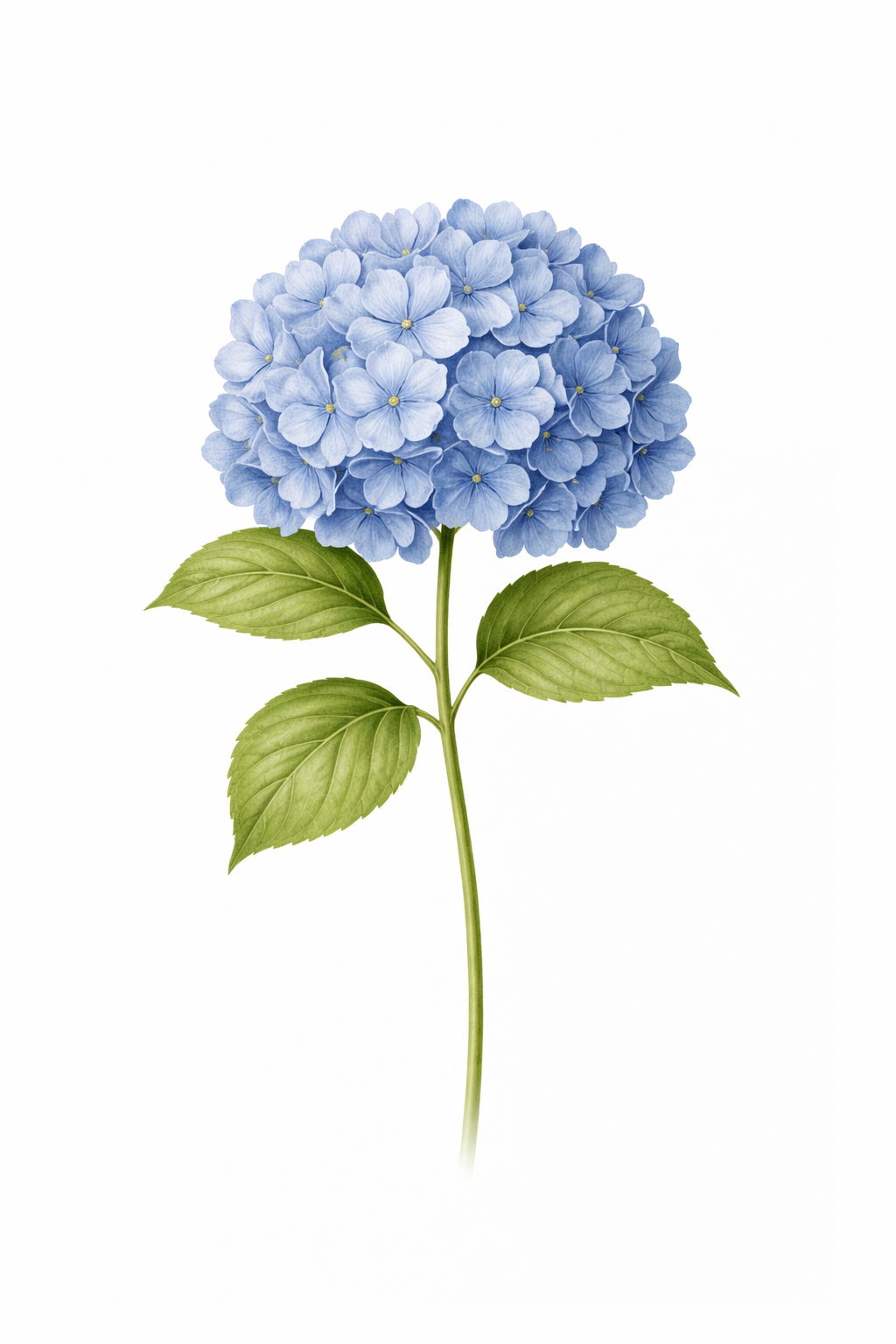
Dusty Blue Hydrangea
Hydrangea macrophylla
Blue hydrangea provides a broad cluster of small flowers. Use it where you want a fuller blue area in a centerpiece. Blue shades vary, so share reference images with your florist and discuss the actual stems they can source.
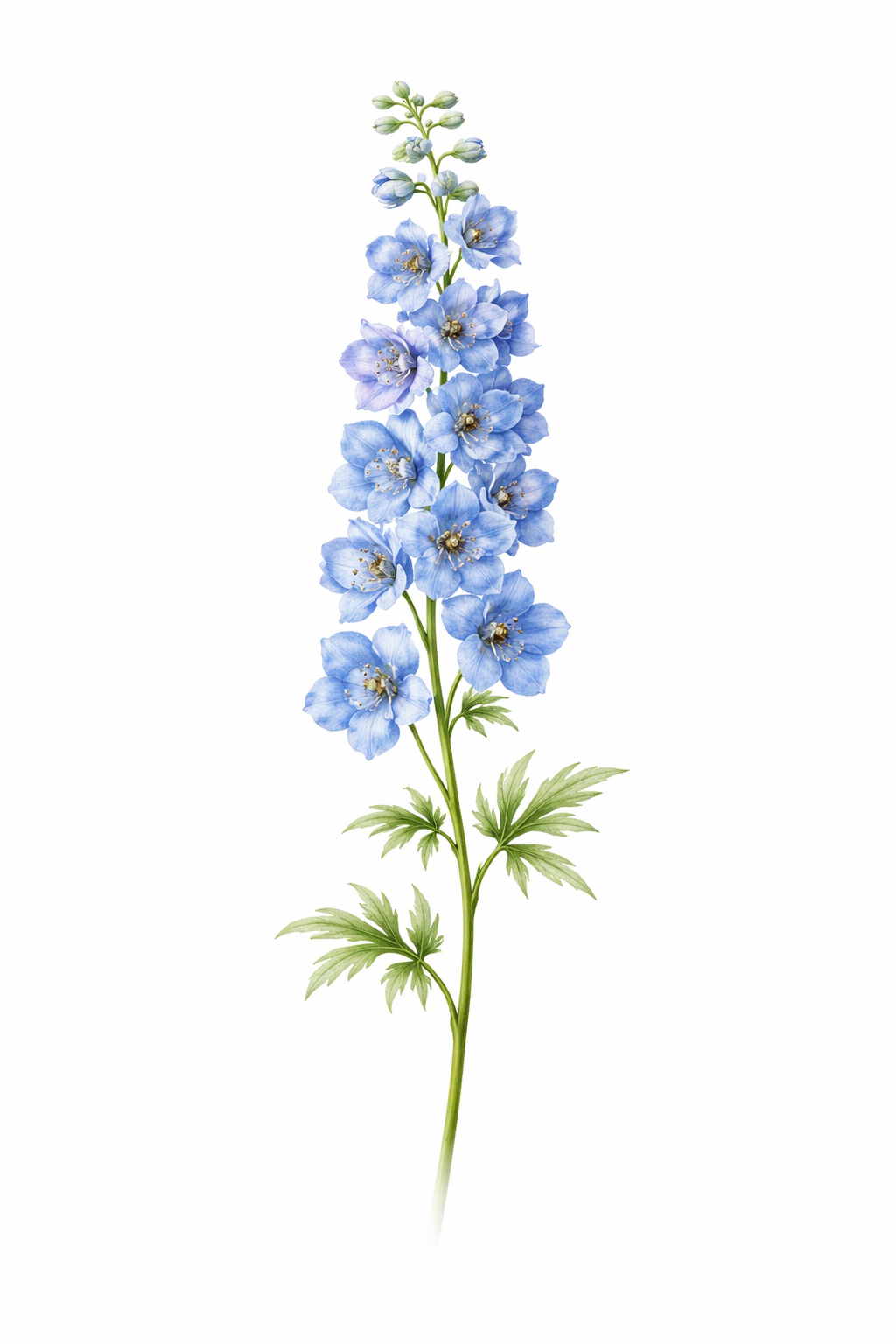
Delphinium
Delphinium elatum
Delphinium gives arrangements taller lines in pale blue through stronger blue shades. It is useful when you want height around a ceremony setting or within a larger centerpiece. Smaller pieces can be worked into bouquets.
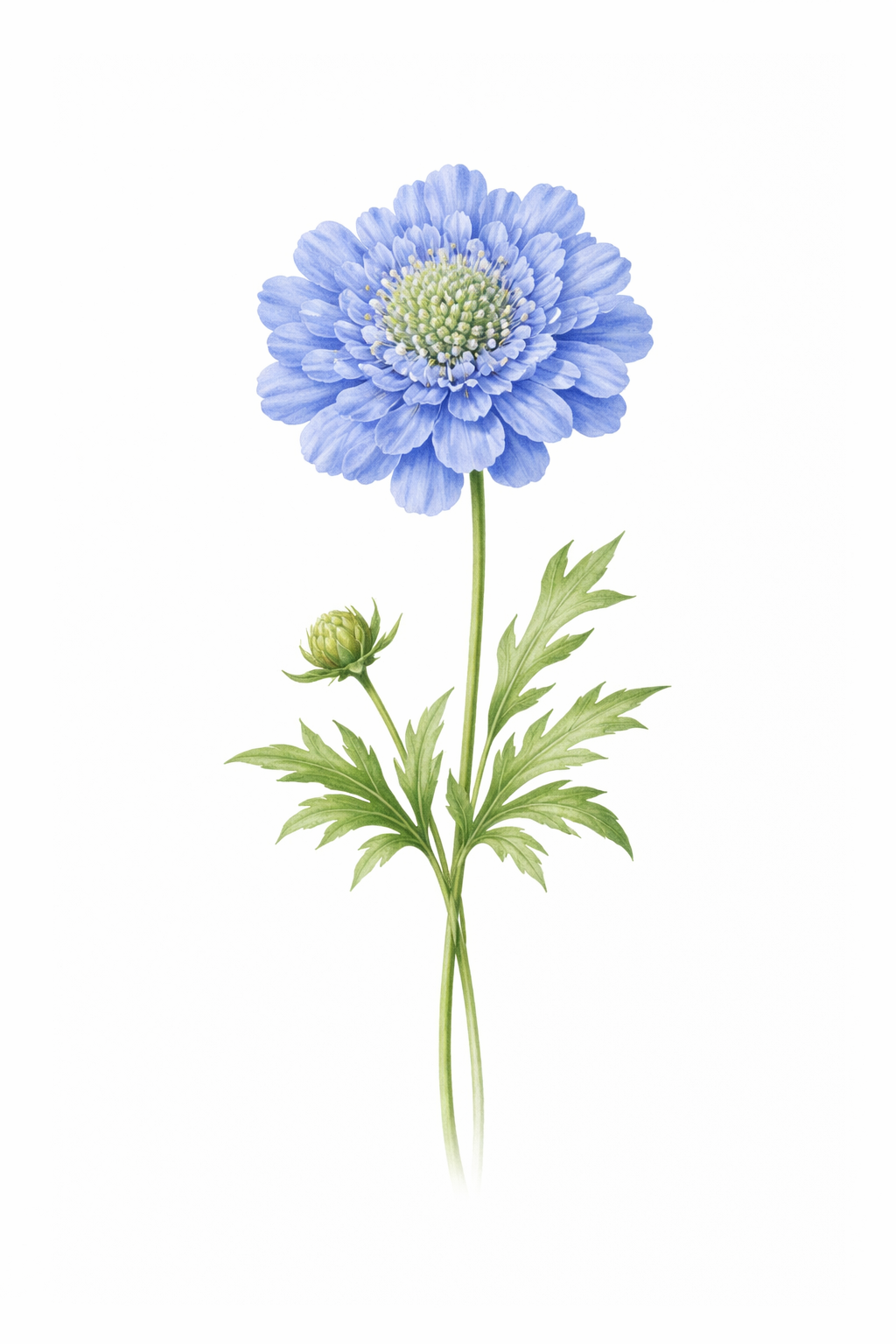
Scabiosa
Scabiosa caucasica
Blue and lavender-blue scabiosa flowers have a lighter, open shape. Let them extend a little beyond fuller roses or hydrangeas for a loose garden look. Confirm the shade with your florist if you want blue rather than purple.
Yellow & Golden Wedding Flowers
Yellow flowers bring a warmer color into the design. Pale butter shades work with soft neutrals; stronger yellow can become the main accent.
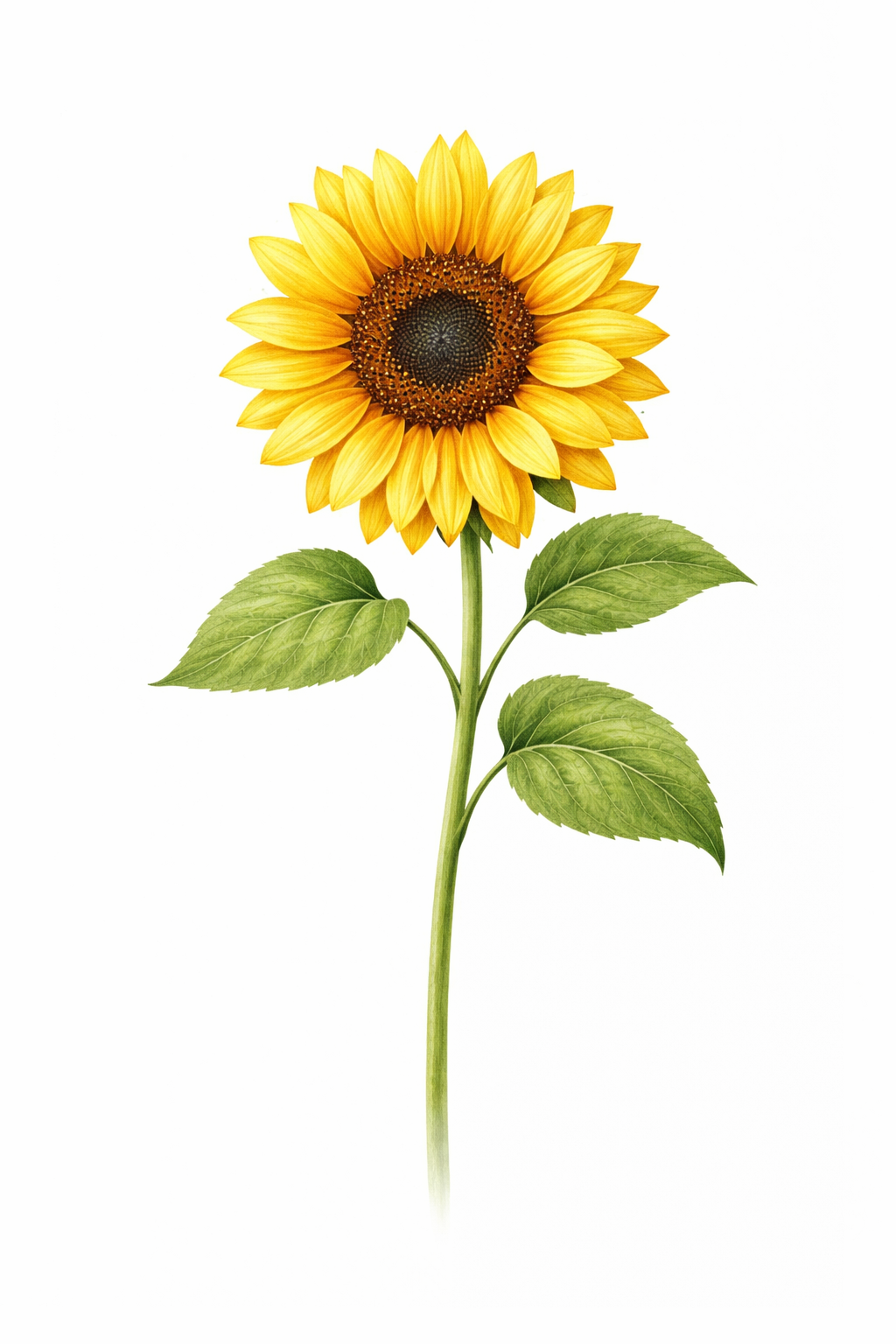
Sunflower
Helianthus annuus
Sunflowers have a strong yellow face and a clearly defined center. Smaller-headed varieties may be easier to balance in a bouquet; larger blooms can lead a centerpiece. Ask for a quote before assuming they will be the least expensive option.
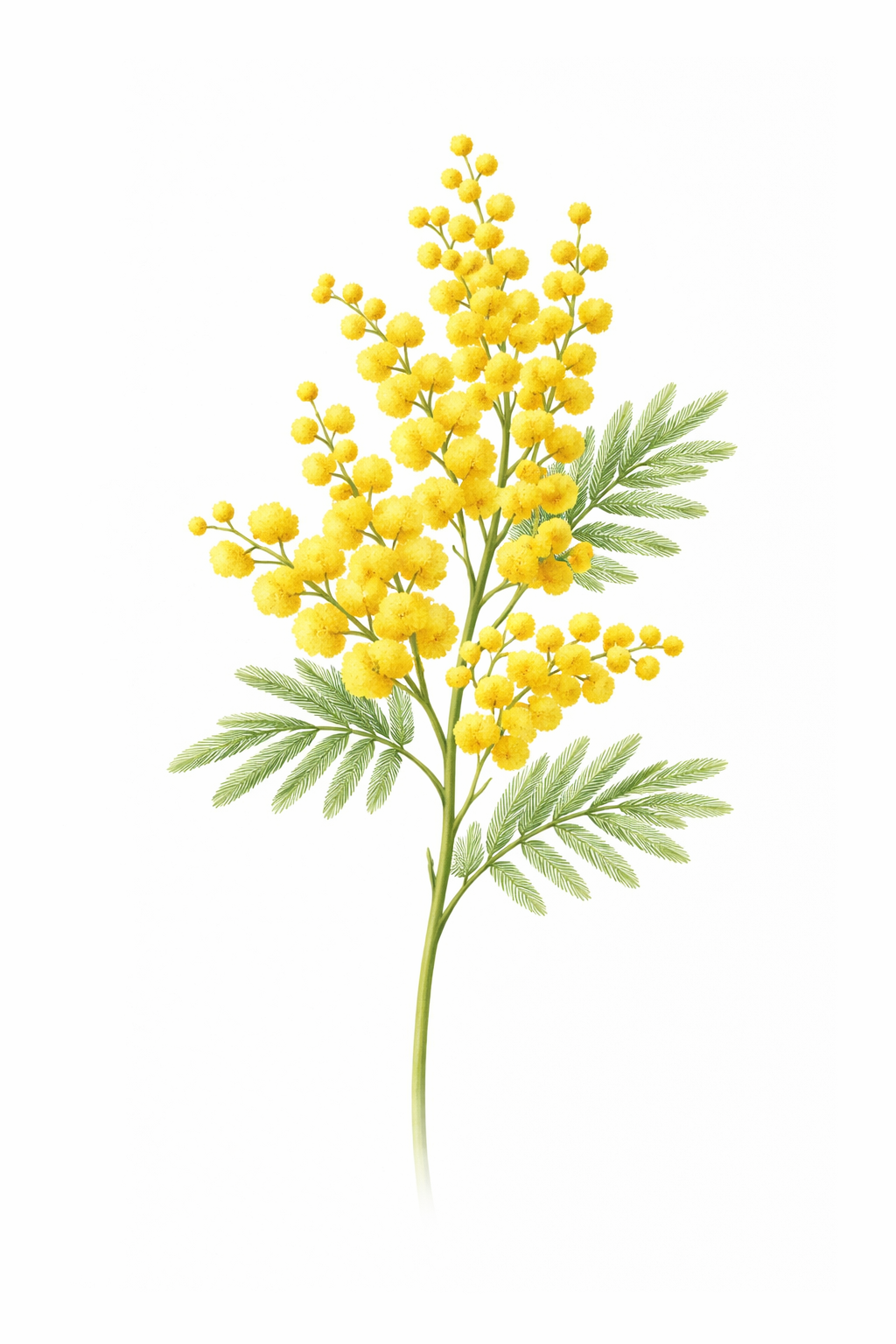
Mimosa (Wattle)
Acacia dealbata
Mimosa has clusters of small yellow flowers on branching stems. A few pieces can spread yellow through an arrangement without adding another large flower head. Its seasonal supply depends on the growing region and your florist's sources.
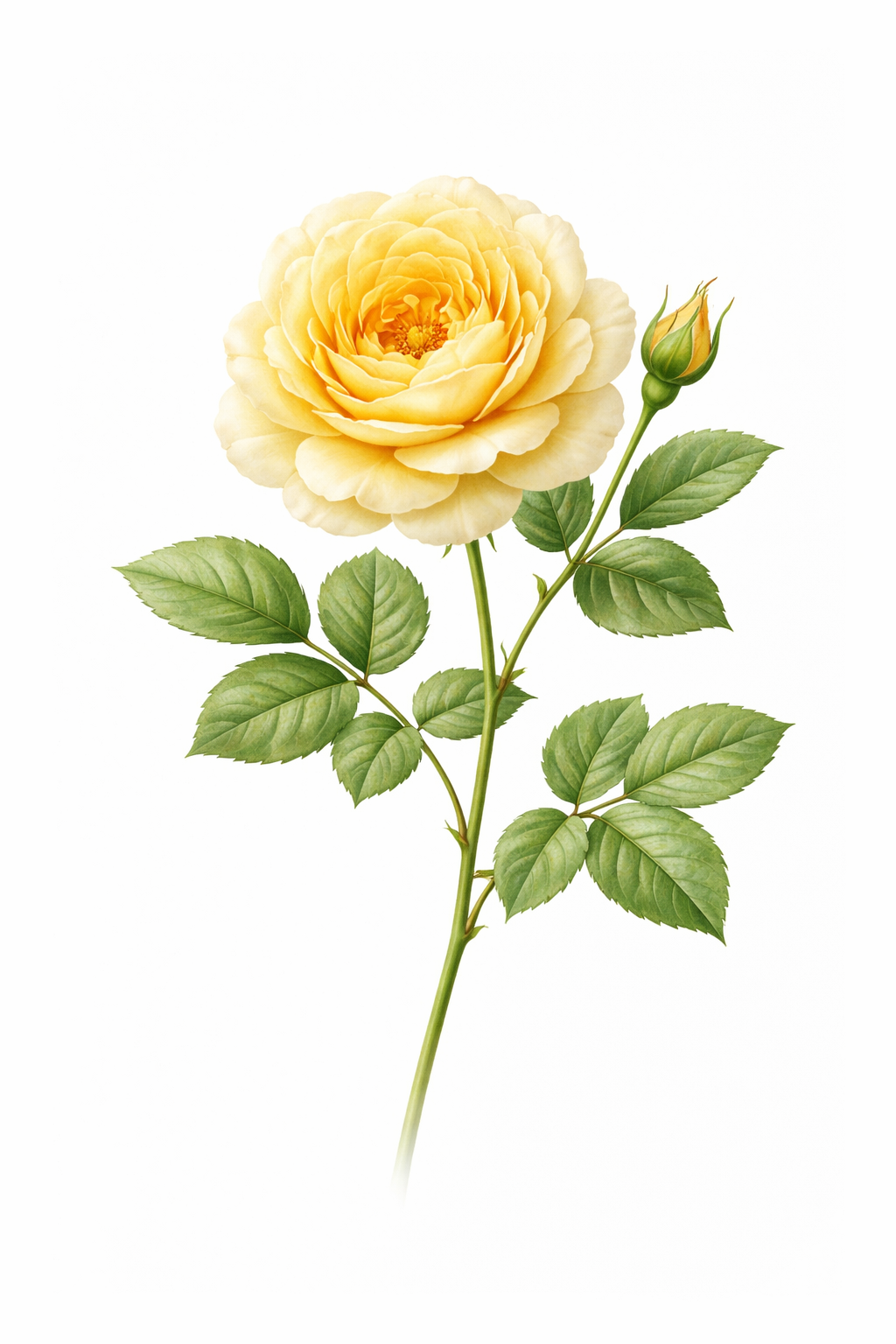
Yellow Garden Rose
Rosa x hybrida
Yellow roses can range from pale butter shades to warmer gold. Use the lighter shades with ivory and blue, or warmer ones with peach and terracotta. Choose the variety by its actual flower color rather than the name alone.
Peach & Coral Wedding Flowers
Peach and coral sit comfortably with cream, blush and warm greens. Decide whether you prefer pale apricot or a stronger pink-orange before choosing varieties.
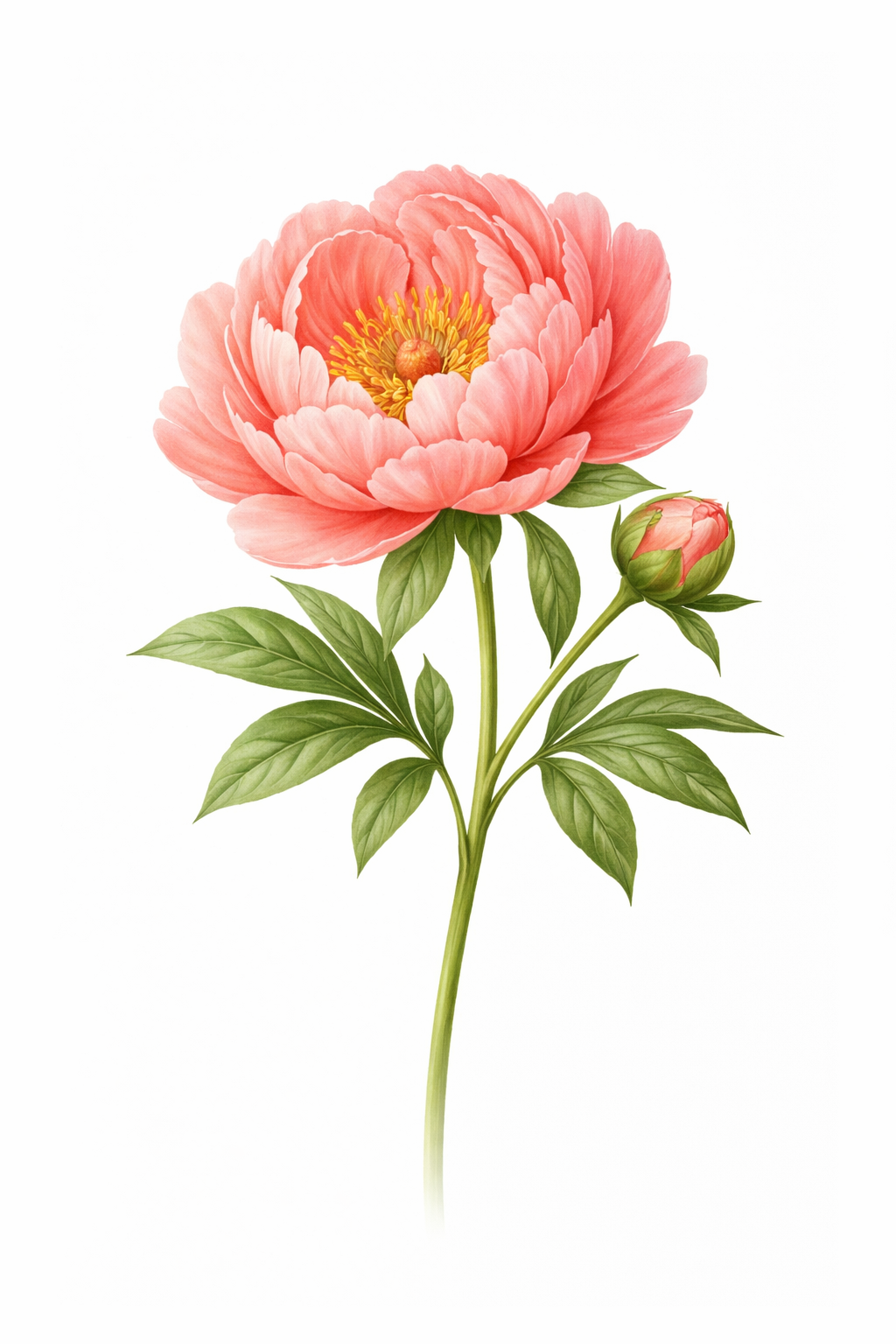
Coral Charm Peony
Paeonia 'Coral Charm'
Coral peonies bring a larger flower shape to a peach or coral palette. Their appearance can change as the blooms open. Ask your florist what stage and shade to expect around the wedding day.
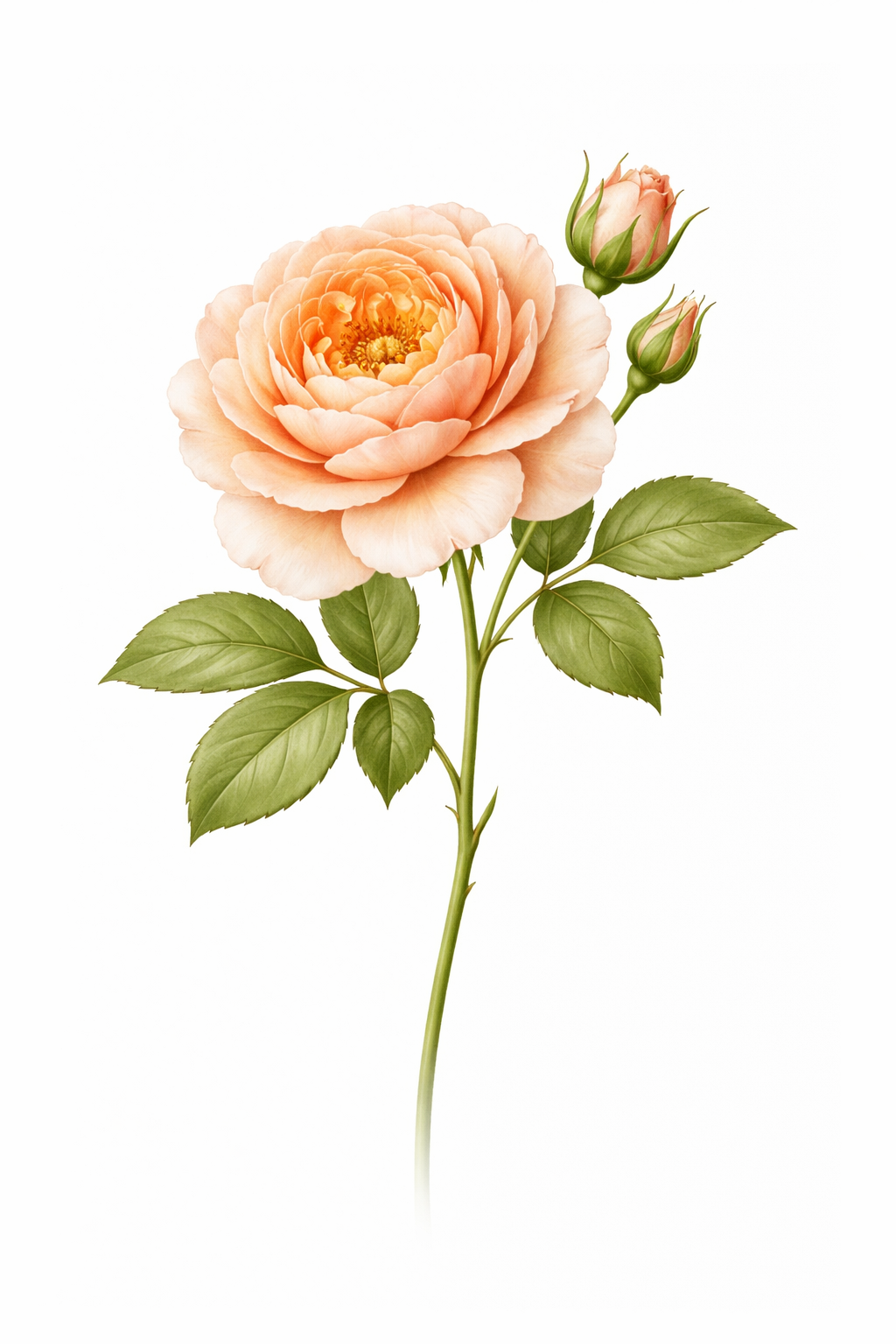
Peach Garden Rose
Rosa x hybrida
Peach roses work well alongside ivory, blush and warm green foliage. Use a few related peach shades if you want variation in the flowers. The mix can coordinate with your linens without matching the fabric exactly.
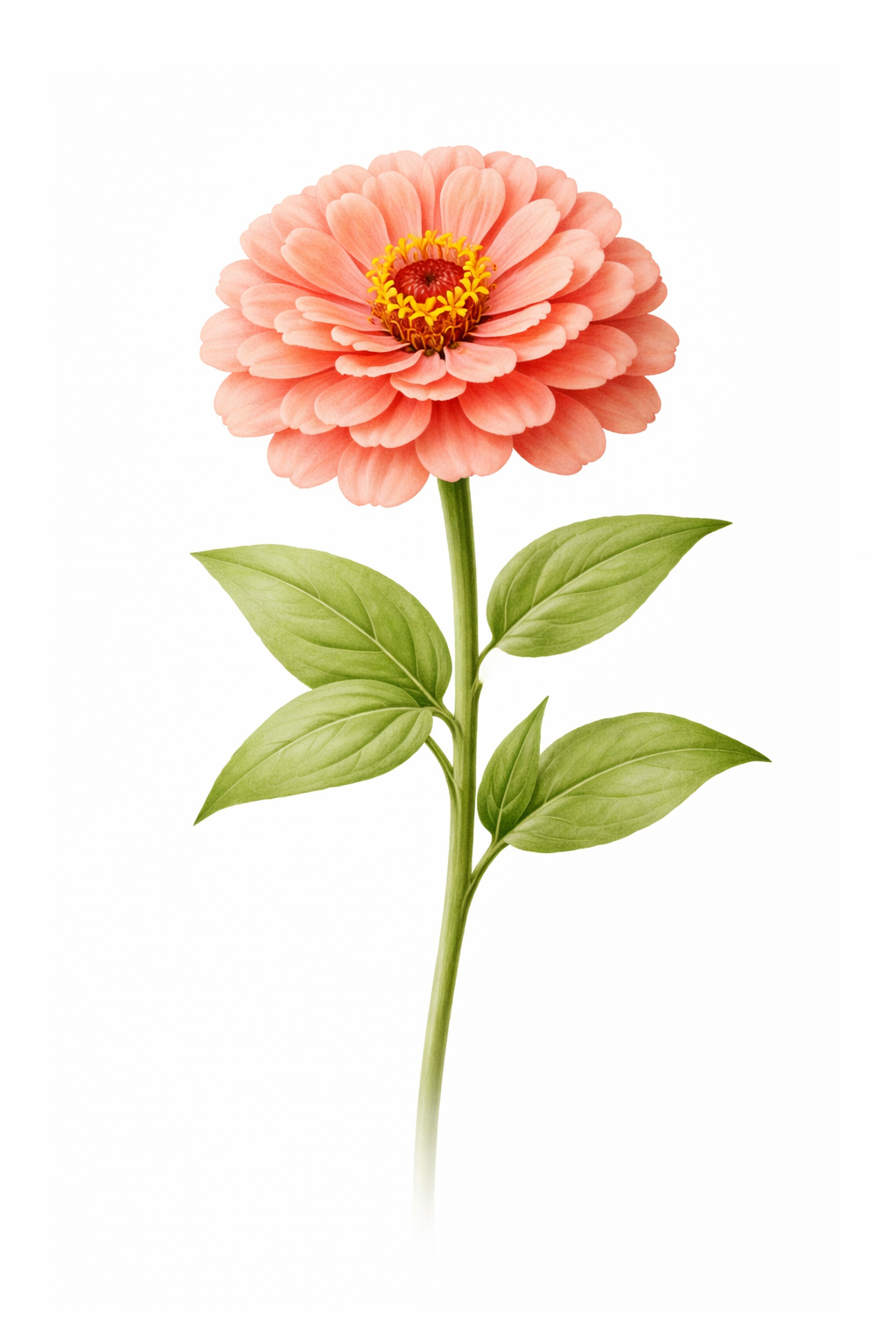
Coral Zinnia
Zinnia elegans
Coral zinnias add a smaller, defined flower shape to loose arrangements. Try them with other garden-style flowers or in a collection of small vases. Ask about locally grown options for your wedding date.
Chartreuse & Yellow-Green Wedding Flowers
Green flowers add another texture alongside foliage. Lime and chartreuse shades give more contrast, while muted greens sit quietly with ivory or blush.
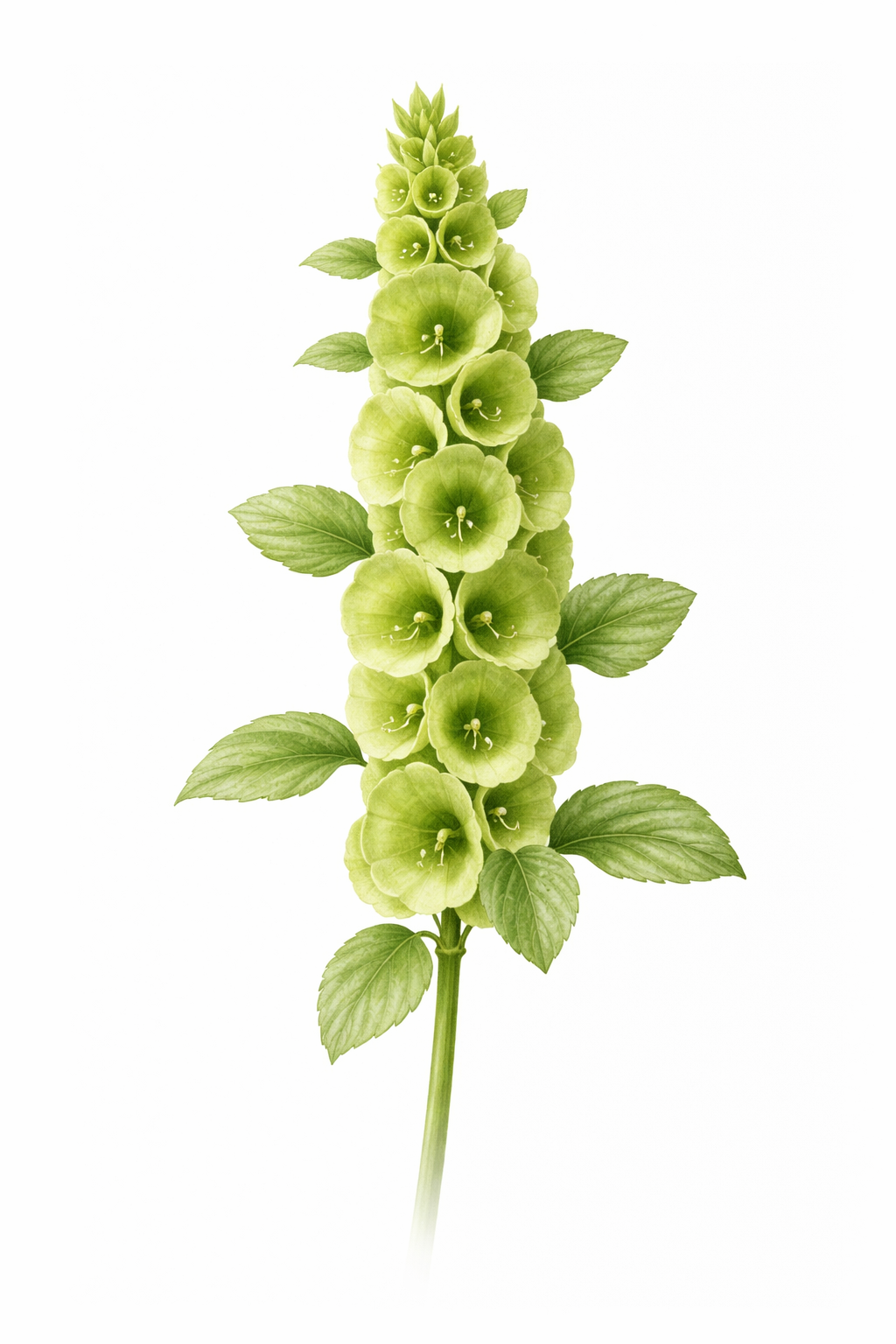
Bells of Ireland
Moluccella laevis
Bells of Ireland have upright stems lined with green, bell-shaped cups. Use them for height in larger arrangements or let a few stems stand alone. Their shape can add interest to a mostly white and green design.
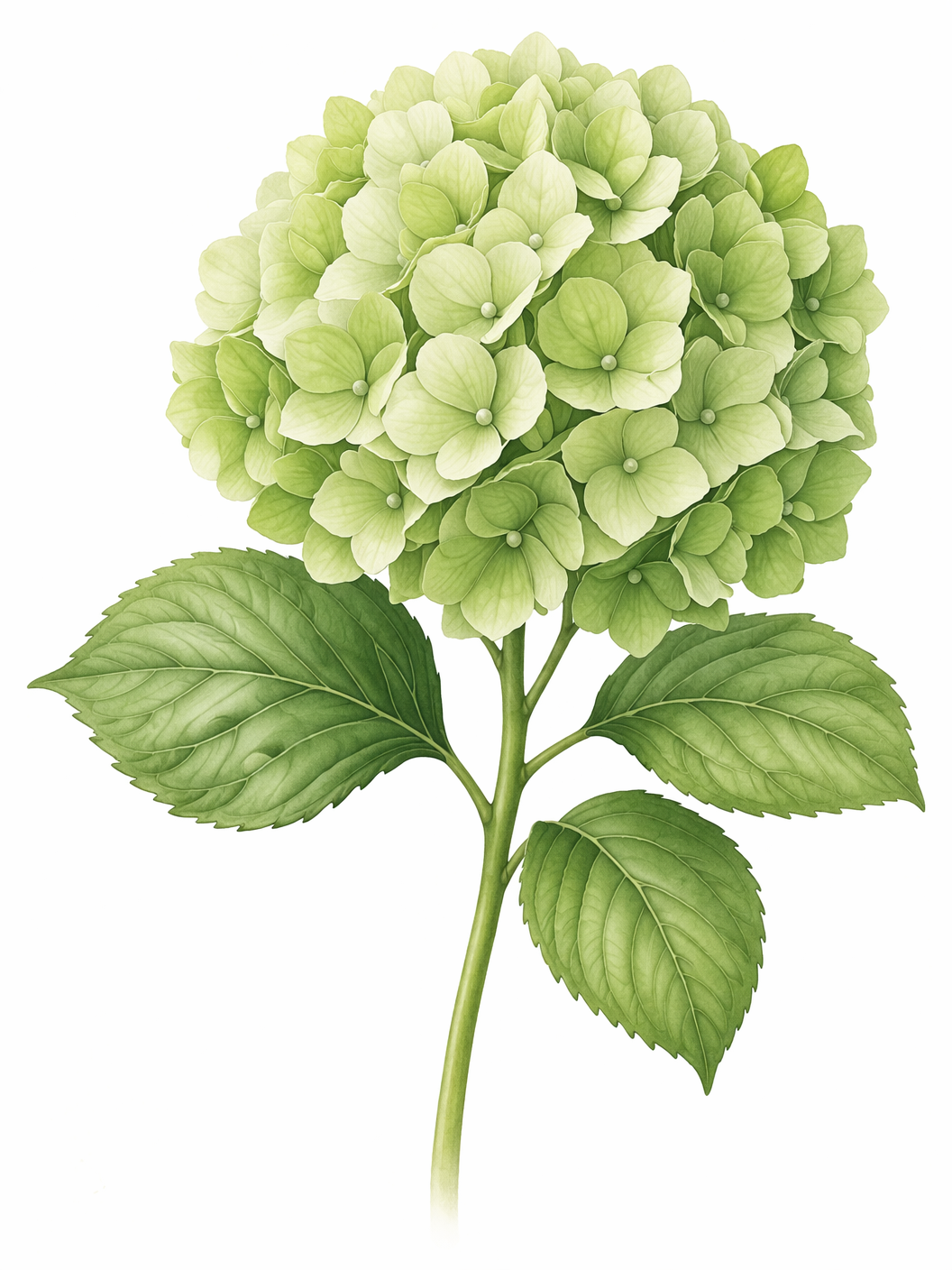
Green Hydrangea
Hydrangea macrophylla
Green hydrangea adds a broader area of green among smaller flowers. Pair it with white or blush, or use a little alongside burgundy for contrast. Ask which shade is available, from brighter lime to softer green.
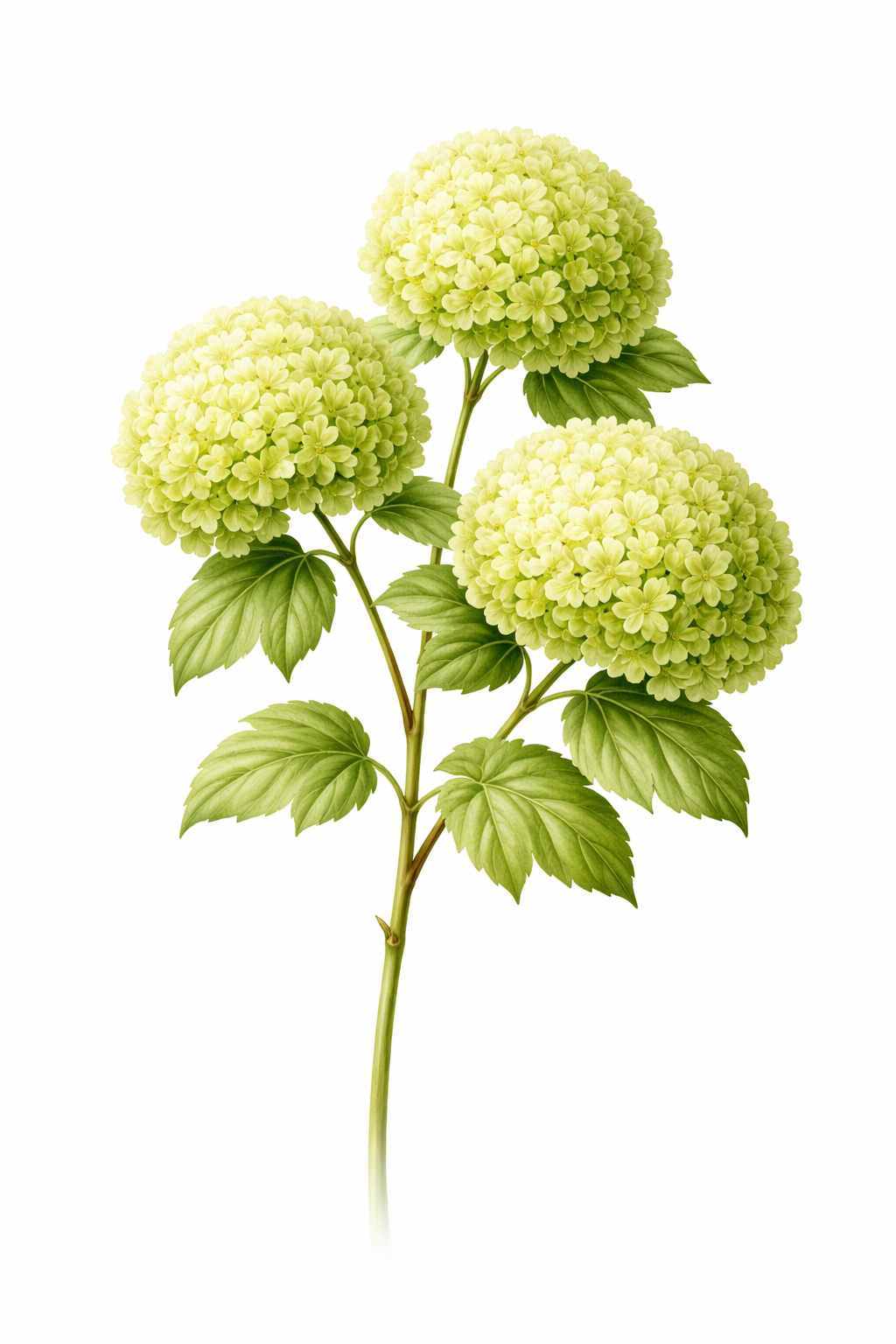
Viburnum
Viburnum opulus
Viburnum has rounded clusters that can range from fresh green to cream as the flowers develop. It suits loose spring arrangements with roses or other garden flowers. Share the shade you prefer and ask what can be sourced.
Choosing Flowers for Your Bouquet and Tables
For your bouquet, choose the overall shape before making a long flower list. A rounded bouquet needs a different balance of stems from one with flowers reaching out at the sides. Show your florist what you like about a reference photo, whether it is the size, the loose outline or the mix of colors.
For centerpieces, look at the size of the tables and what else needs to fit on them. A broad arrangement that works on a round table may take up too much room on a narrow dining table. Share the table dimensions and ask your florist about a suitable vase and arrangement size.
You can repeat a few flowers from the bouquet across the tables without copying the bouquet exactly. That keeps the designs connected while giving each arrangement a shape that suits its job.
How to Choose Wedding Flowers by Season
Start with your wedding date and location. In many temperate Northern Hemisphere gardens, peonies flower in late spring into early summer, while dahlias flower through summer into autumn. Imported and greenhouse-grown flowers can extend some options, but a garden flowering calendar is not a guarantee of florist availability.
Give your florist a preferred color range and one or two flowers you especially love. Ask what they would substitute if those flowers are unavailable or outside your budget. You can often preserve the overall look by keeping a similar flower shape and shade.
For more palette ideas, see Spring Wedding Colors 2027 and Fall Wedding Colors 2027.
How to Keep Your Flower Choices Within Budget
Ask for a quote for the complete floral design. A stem price alone will not tell you what an arrangement costs: the number of stems, vase, preparation, delivery and installation also matter.
Decide which flowers you most want in the bouquet or ceremony setting, then give your florist more flexibility elsewhere. If you want to move ceremony flowers to the reception, discuss the timing and labor before assuming that reuse will save money.
Picture Your Flowers in Your Venue
A flower combination can look different against brick, dark wood or a bright white wall. Use a photo of your venue when comparing ideas so the flowers are part of the room from the start.
Explore your flowers and decor in your venue
Upload a venue photo to the Wedding Design Studio and try a design direction in the space before making your final floral choices.
Try My First Venue Design FreeAn account is needed for your first free venue design. No credit card required. Share the result as inspiration and confirm the practical details with your florist.
Wedding Flower Questions
What flowers are best for weddings?
Roses, ranunculus, peonies, hydrangeas, lisianthus and dahlias are useful starting points. Calla lilies and tulips suit simpler designs, while scabiosa and cosmos can add a looser outline. Choose with your florist based on your date, venue, preferred shape and budget.
What flowers are best for a wedding bouquet?
For a fuller bouquet, consider roses, peonies or ranunculus. For a simpler shape, ask about calla lilies or tulips. Show your florist the bouquet size and outline you want before deciding on the exact flower mix.
What flowers work well in wedding centerpieces?
Roses, hydrangeas and dahlias can provide fuller shapes, while smaller flowers add detail. The right choice also depends on the table size, vase and room available around place settings. Share your table dimensions with your florist.
Which wedding flowers come in several colors?
Roses, ranunculus, dahlias and lisianthus offer a range of colors across different varieties. Exact shades vary, so share reference images and ask your florist which varieties they can source for your date.
Are blue wedding flowers naturally blue?
Yes. Delphiniums and some hydrangeas occur in blue shades. Some flowers described as blue lean toward lavender or purple, so ask to see examples of the varieties your florist will use.
How do I match wedding flowers to my color palette?
Share your palette alongside fabric samples and venue photos. Look for flowers in related shades rather than expecting every petal to match a hex code. Use the Wedding Color Palette Creator to explore the color direction first.
Which wedding flowers are in season?
Season depends on location and growing conditions. In many temperate Northern Hemisphere gardens, peonies flower in late spring into early summer and dahlias through summer into autumn. Florists may source flowers from other regions, so confirm availability for your date.
What greenery can I use with wedding flowers?
Ask your florist about eucalyptus, ruscus, olive branches or ferns, depending on the look you want. Some leaves give a fuller shape while others trail or add a finer texture. Choose foliage that suits the size and structure of the arrangement.
How can I see my flower colors with the rest of my wedding decor?
Use the Wedding Mood Board Creator to explore a styled direction, or upload a venue photo to the Wedding Design Studio. Treat the generated images as inspiration and confirm exact flower varieties and installation details with your florist.